Toxic Raisins and Grapes
Posted by The San Francisco Dog Walker
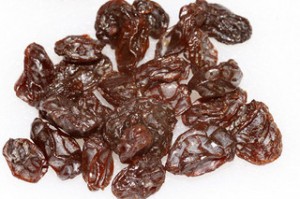
They're in trail mix. They're in cookies. They're tucked into lunch boxes and scattered across kitchen counters. And to many dog owners, they seem like a healthy treat to share with their pet. But raisins and grapes are among the most insidiously dangerous foods you can give a dog—capable of causing sudden, complete kidney failure.
What makes this threat particularly alarming is how unpredictable it is. The exact toxic mechanism remains unknown, the toxic dose varies wildly between dogs, and there's no way to know if your dog will be one of the unlucky ones until it's too late.
The Mystery Toxin
Grape and raisin toxicity in dogs was first formally documented in the late 1980s, and veterinarians are still trying to understand exactly what makes them so dangerous.
What We Know:
- All grape types are toxic: Red, green, seedless, seeded, organic, conventional—all varieties cause the same problem
- Raisins are even more concentrated: The drying process concentrates whatever the toxic substance is
- The toxin affects kidneys specifically: It causes acute kidney injury and potentially complete renal failure
- Individual sensitivity varies dramatically: Some dogs can eat grapes without apparent harm; others develop kidney failure from tiny amounts
What We Don't Know:
- The exact toxic substance: Despite extensive research, scientists haven't identified what in grapes causes the problem
- Why some dogs are unaffected: The reason for individual variation remains unknown
- A safe minimum dose: There is no established "safe" amount—even small quantities can be deadly
How Dangerous Are They Really?
The ASPCA Animal Poison Control Center has documented cases where as few as 7 raisins or grapes caused kidney failure in a small dog. However, dogs have also died after eating larger quantities—half a canister of raisins, a handful of grapes, or several raisin cookies.
Reported Toxic Doses:
- As few as 4-5 grapes in a 20-pound dog
- As few as 2-3 raisins per pound of body weight
- But some dogs have survived eating much larger amounts
The unpredictability is what makes this so frightening. You cannot assume your dog will be one of the lucky ones. Every exposure is Russian roulette.
A Veterinary Case Study
From a Veterinarian's Experience:
A 5-year-old, 56-pound Labrador mix ate half a canister of raisins sometime between 7:30 AM and 4:30 PM. By 1:00 AM, he started vomiting, having diarrhea, and shaking. The owner called the emergency vet service at 7:00 AM.
When examined, his blood urea nitrogen (BUN) was already 32 (normal is less than 27) and creatinine was over 5 (normal maximum is 1.9). Both values indicate kidney function—and his kidneys were already failing.
Despite aggressive treatment with IV fluids at 1.5 times maintenance rate, his kidney values continued to worsen. BUN climbed over 40, then over 120. Creatinine reached 10. He produced no urine despite a liter of IV fluids. Diuretic drugs (Lasix) were needed to force urine production.
Multiple anti-vomiting medications couldn't control his nausea. His blood pressure, which had been around 150, suddenly spiked to 220. His phosphorus levels became dangerously elevated.
After days of intensive care with no improvement, the owners made the heartbreaking decision to euthanize. A healthy, middle-aged dog in perfect health destroyed by half a canister of raisins.
This case isn't unusual. It's a typical trajectory for dogs who develop full-blown grape or raisin toxicity. And it's completely preventable.
How Raisin and Grape Toxicity Works
While we don't know what substance causes the problem, we understand what it does:
Initial Damage (First 24 Hours)
The toxin damages kidney tubules—the tiny tubes in the kidneys that filter blood and produce urine. This damage prevents the kidneys from doing their job of removing waste products from the blood.
Acute Kidney Injury (24-72 Hours)
As kidney function declines, waste products accumulate in the bloodstream:
- BUN (blood urea nitrogen) rises: Normally 7-27 mg/dL, can climb to 100+
- Creatinine rises: Normally 0.5-1.9 mg/dL, can reach 10+
- Phosphorus becomes dangerously elevated
- Potassium levels become unstable
- Blood pressure can spike
Complete Renal Failure (72+ Hours)
In severe cases, the kidneys stop functioning entirely:
- No urine production (anuria)
- Toxins build to life-threatening levels
- The dog becomes uremic (poisoned by its own waste products)
- Death follows without dialysis or kidney transplant
Symptoms of Grape and Raisin Toxicity
Symptoms typically begin within 12-24 hours of ingestion, though they can appear sooner:
Early Signs (First 12-24 Hours):
- Vomiting (often within hours, may contain grapes or raisins)
- Diarrhea
- Loss of appetite
- Lethargy, weakness
- Abdominal pain (hunched posture, reluctance to move)
- Trembling or shaking
Progressive Signs (24-72 Hours):
- Decreased urination or no urination
- Increased or decreased thirst
- Bad breath (uremic breath has an ammonia or urine smell)
- Oral ulcers
- Severe lethargy, may not respond to stimulation
- Vomiting becomes persistent and uncontrollable
Critical Signs (72+ Hours):
- Seizures
- Complete loss of appetite
- Coma
- Death
Emergency Treatment
There is no antidote for grape or raisin toxicity. Treatment focuses on preventing absorption and supporting kidney function:
Immediate Actions (Within 1-2 Hours of Ingestion):
- Induce vomiting: If the dog hasn't vomited already, the vet will induce vomiting to remove as much of the raisins/grapes as possible
- Activated charcoal: Binds remaining toxins in the digestive tract
- Gastric lavage: In some cases, stomach pumping may be performed
Ongoing Support (24-72+ Hours):
- Aggressive IV fluid therapy: Maintains hydration and helps flush toxins through the kidneys
- Diuretic medications: If needed to stimulate urine production
- Anti-nausea medications: Multiple types may be required
- Blood pressure management: If hypertension develops
- Frequent blood work: Monitor kidney values every 12-24 hours
- Hospitalization: Often required for 48-72 hours or longer
When Treatment Fails:
If the kidneys fail completely despite aggressive treatment, options are limited and grim:
- Dialysis (rarely available, extremely expensive)
- Kidney transplant (not widely available for dogs)
- Euthanasia (sadly, often the most humane choice)
Prognosis and Recovery
The outcome depends entirely on how quickly treatment begins and how severe the kidney damage is:
Best Case Scenario:
- Treatment within 1-2 hours of ingestion
- Vomiting induced successfully
- IV fluids started immediately
- Kidney values remain normal or near-normal
- Result: Complete recovery with no lasting damage
Moderate Cases:
- Treatment within 6-12 hours
- Some kidney value elevation
- Aggressive fluid therapy and medications
- Result: May recover but might have lasting kidney damage requiring special diet and monitoring
Worst Case Scenario:
- Delayed treatment (12+ hours)
- Severe kidney value elevation
- No urine production despite treatment
- Result: Often fatal or requires euthanasia
Other Foods Containing Raisins
The danger extends beyond the raisin box. Many common foods contain raisins or grapes:
- Trail mix
- Granola and granola bars
- Raisin bread
- Cookies (oatmeal raisin, others)
- Fruit salad
- Fruitcake
- Hot cross buns
- Cinnamon rolls (some varieties)
- Stuffing (some recipes)
- Juice (grape juice)
- Wine (made from grapes, though alcohol is also toxic)
Always check ingredients before sharing human food with your dog, and keep these items out of reach.
Other Toxic Foods to Avoid
While we're discussing food toxicity, remember these other dangerous foods:
- Chocolate (theobromine toxicity)
- Onions and garlic (damage red blood cells)
- Macadamia nuts (cause weakness and hyperthermia)
- Xylitol (artificial sweetener causing liver failure and hypoglycemia)
- Avocados (contain persin, toxic to dogs)
- Alcohol (extremely toxic even in small amounts)
- Raw yeast dough (expands in stomach, produces alcohol)
- Certain nuts (especially black walnuts)
Protecting Your Dog
Prevention is straightforward but requires vigilance:
- Never give grapes or raisins as treats—not even one
- Store raisins and grapes out of reach—dogs can open containers and packages
- Don't drop grapes or raisins on the floor—pick them up immediately
- Warn children not to share—teach kids that grapes and raisins are poison to dogs
- Be careful at parties—guests may offer food or drop items
- Check ingredients in human foods before sharing
- Alert dog sitters and visitors to the danger
The Bottom Line
Grapes and raisins are deadly to dogs. The toxic substance remains unidentified, the toxic dose is unpredictable, and there is no antidote. Some dogs will develop complete kidney failure from amounts that seem insignificant, while others somehow escape harm despite eating larger quantities. You cannot predict which group your dog falls into.
The only safe approach is zero tolerance: never give your dog grapes or raisins, keep them out of reach, and treat any ingestion as an immediate emergency requiring veterinary intervention.
After 19 years of walking dogs in San Francisco, I've heard too many heartbreaking stories of dogs lost to grape or raisin toxicity. Every single case was preventable. Every single owner said, "I had no idea."
Now you know. Spread the word. These tiny dried fruits can destroy kidneys, end lives, and break hearts—and they're sitting on counters and in cupboards in homes all over the city.
Keep them away from your dog. It could save their life.