Toxic Cocoa Mulch
Posted by The San Francisco Dog Walker
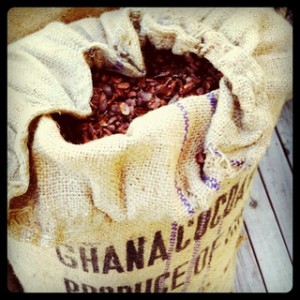
It smells like chocolate. It looks attractive in gardens. It's sold at Home Depot, Lowe's, and garden supply stores throughout the Bay Area. And it can kill your dog.
Cocoa mulch—also marketed as cocoa bean shells, cocoa shell mulch, or cocoa bean hull mulch—is one of the most dangerous landscaping products you can have in a yard where dogs spend time. Despite its pleasant aroma and organic appeal, cocoa mulch contains theobromine, the same toxic compound found in chocolate that makes it deadly to dogs.
What Is Cocoa Mulch?
Cocoa mulch is a byproduct of chocolate manufacturing. It's made from the shells of cocoa beans after the beans have been roasted and processed to extract chocolate. These shells are then ground up and sold as garden mulch.
Why Is It Popular?
Gardeners like cocoa mulch because it:
- Smells like chocolate (which is exactly why it's dangerous for dogs)
- Has an attractive dark brown color
- Retains soil moisture effectively
- Breaks down to add organic matter to soil
- Repels some insects and slugs
- Is marketed as an "eco-friendly" or "natural" product
What the packaging often fails to emphasize prominently enough is that this "natural" product is highly toxic to dogs.
The Deadly Ingredient: Theobromine
Theobromine is a stimulant compound found in cacao plants. It's what makes chocolate toxic to dogs—and it's concentrated in cocoa shells.
How Theobromine Affects Dogs
Humans can metabolize theobromine efficiently, which is why we can eat chocolate safely. Dogs, however, process it much more slowly, allowing it to build to toxic levels in their system.
Theobromine affects multiple body systems:
- Nervous system: Causes hyperactivity, tremors, seizures
- Cardiovascular system: Increases heart rate, causes arrhythmias, can lead to heart failure
- Respiratory system: Can cause rapid breathing or respiratory failure
- Gastrointestinal system: Causes vomiting and diarrhea
- Urinary system: Acts as a diuretic, increases urination
Toxic Dose
The amount of theobromine in cocoa shell mulch can vary significantly depending on the processing method and the specific source of cocoa beans. However, cocoa shell mulch can contain approximately:
- 255-1200 mg of theobromine per ounce of mulch
For comparison, baker's chocolate contains about 450 mg of theobromine per ounce, and dark chocolate contains about 150 mg per ounce. This means cocoa mulch can be just as toxic—or even more toxic—than chocolate itself.
Toxic doses for dogs:
- Mild symptoms: 20 mg/kg of body weight
- Severe symptoms: 40-50 mg/kg
- Potentially fatal: 100-200 mg/kg
This means a 50-pound (23 kg) dog could experience severe toxicity from eating as little as 2-3 ounces of cocoa mulch, depending on its theobromine content.
Why Dogs Are Attracted to Cocoa Mulch
The very thing that makes cocoa mulch appealing to gardeners—its chocolate smell—makes it irresistible to many dogs.
- The smell triggers appetite: Dogs detect the chocolate scent and investigate
- It tastes good to them: Dogs who sample it often continue eating
- Boredom and curiosity: Dogs explore yards by tasting and chewing things
- It's literally everywhere: Spread throughout a garden, it's impossible to fully supervise
Even well-trained dogs who normally don't eat random things can be tempted by the chocolate aroma. And once they start, the pleasant taste encourages them to consume dangerous quantities.
Symptoms of Theobromine Poisoning
Symptoms typically appear within 6-12 hours of ingestion, though they can occur sooner with large doses:
Early Symptoms (2-4 hours):
- Restlessness and hyperactivity
- Vomiting
- Diarrhea
- Increased thirst and urination
- Drooling
- Panting
Progressive Symptoms (4-12 hours):
- Rapid heart rate (tachycardia)
- Abnormal heart rhythms (arrhythmias)
- Tremors or muscle twitching
- Elevated blood pressure
- Elevated body temperature
Severe Symptoms (12-36 hours):
- Seizures
- Collapse
- Heart failure
- Respiratory failure
- Death
Treatment for Theobromine Poisoning
There is no antidote for theobromine poisoning. Treatment is supportive and aims to:
Prevent Further Absorption
- Induce vomiting: If ingestion was recent (within 1-2 hours) and the dog hasn't already vomited
- Activated charcoal: Given to bind remaining theobromine in the stomach and intestines
- Gastric lavage: In severe cases, stomach pumping may be necessary
Supportive Care
- IV fluids: To maintain hydration and help flush theobromine from the system
- Heart monitoring: Continuous EKG to watch for arrhythmias
- Medications: To control seizures, abnormal heart rhythms, or elevated blood pressure
- Cooling measures: If body temperature is elevated
- Sedation: To reduce hyperactivity and tremors
Prognosis
The outcome depends on:
- How much was ingested
- The dog's size
- How quickly treatment begins
- Individual sensitivity (some dogs are more susceptible)
Dogs who receive immediate treatment generally have a good prognosis. However, severe cases can be fatal even with aggressive treatment. Theobromine can remain in a dog's system for 17-20 hours, meaning symptoms can persist and treatment must continue for an extended period.
San Francisco Deaths
Several dogs have died in San Francisco after eating cocoa mulch from yards and gardens. In each tragic case, the owners didn't realize the mulch was dangerous. Some didn't even know it was cocoa mulch—it had been installed by landscapers or was already present when they moved in.
These weren't cases of neglect. These were responsible dog owners whose pets encountered a deadly substance marketed as a safe, natural garden product.
The Problem With "Pet-Friendly" Labels
Some cocoa mulch manufacturers have attempted to address safety concerns by:
- Processing mulch to reduce theobromine content
- Adding warnings to packaging
- Marketing "pet-safe" versions
However, there are serious problems with these approaches:
Inconsistent Theobromine Levels
The theobromine content in cocoa mulch can vary wildly between batches, even from the same manufacturer. You cannot rely on any mulch being truly "safe."
Even "Low-Theobromine" Mulch Is Risky
There is no safe level of theobromine for dogs. Even reduced-theobromine mulch still contains enough to sicken or kill a dog if they eat sufficient quantities—and the chocolate smell ensures they'll eat plenty if given the chance.
Packaging Warnings Are Inadequate
Many bags have small warnings buried in fine print. Pet owners may not see them, or may underestimate the risk.
Safe Alternatives to Cocoa Mulch
Plenty of mulch options are genuinely safe for dogs:
Cedar or Pine Bark Mulch
- Natural insect repellent properties
- Pleasant natural scent
- Good moisture retention
- Safe if ingested in small amounts
Shredded Cedar
- Aromatic
- Naturally resists decay
- Repels fleas and ticks
- Non-toxic to dogs
Pine Needles
- Free if you collect them
- Natural appearance
- Good for acid-loving plants
- Safe for dogs
Shredded Hardwood
- Durable
- Economical
- Good moisture retention
- Safe for pets
What to Avoid:
- Cocoa mulch: Obviously
- Very small nuggets: Can be choking hazards
- Dyed mulches: Some dogs eat them, and dyes may cause stomach upset
- Rubber mulch: Not biodegradable, can cause intestinal blockage if eaten
Protecting Your Dog
If you have dogs or dogs ever visit your property:
Never Use Cocoa Mulch
- Don't buy it
- Don't let landscapers use it
- If it's already present, remove it completely
Check Existing Landscaping
- If you move into a new place, identify all mulch in the yard
- Cocoa mulch has a distinctive chocolate smell
- When in doubt, replace it
Warn Others
- Alert neighbors with dogs
- Tell dog-sitting clients about the danger
- Share information with your local dog community
If Your Dog Eats Cocoa Mulch
- Note the time and amount ingested (estimate if necessary)
- Call your vet or emergency vet immediately
- Do not induce vomiting unless instructed by your vet
- Bring the mulch packaging if available (shows theobromine content)
- Do not wait for symptoms—treat this as an immediate emergency
The Bottom Line
Cocoa mulch is a dangerous product that has no place in any yard where dogs might be present. The pleasant chocolate smell that makes it appealing to gardeners is exactly what makes it deadly to dogs—they're attracted to it, they eat it, and they can die from it.
After 19 years of walking dogs in San Francisco, I've seen several near-misses and heard about multiple fatal cases. Every single one was preventable. The owners simply didn't know how dangerous cocoa mulch was until it was too late.
Don't let your dog become another statistic. Choose safe mulch alternatives, remove any cocoa mulch from your property, and spread the word to other dog owners. This is one hazard that's completely avoidable—but only if people know about it.
Your dog's life isn't worth the pleasant smell of chocolate in your garden.