The Dangers of Eating Things They Shouldn't
Posted by The San Francisco Dog Walker
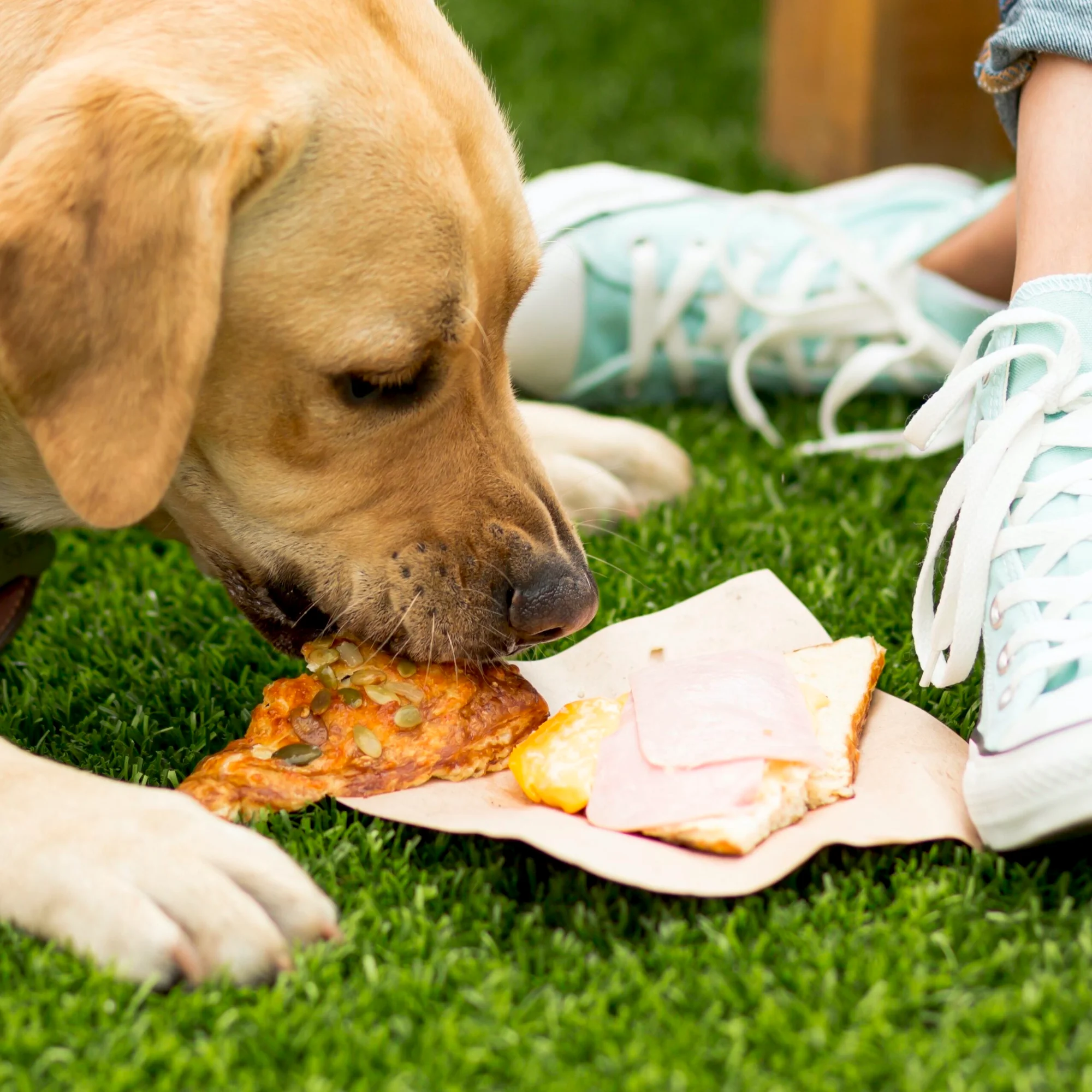
By far the most common concern I see in the spring and summer months involves pets that eat things they shouldn't. This can happen any time of the year, but when the weather is nice and the ground is warm and moist, it becomes a perfect incubator for viruses, bacteria, and parasites.
After 19 years of professional dog walking in San Francisco, I've seen nearly every type of eating-related emergency imaginable. The good news is that most of these dangers are preventable with awareness and vigilance. Here's what every San Francisco dog owner needs to know.
Common Hazards in San Francisco
Our beautiful parks and beaches hide some specific dangers:
- Dead sea life: Seals, sea lions, fish, and birds that wash up on our beaches can carry leptospirosis
- Mushrooms: Highly toxic mushrooms thrive in our fog and moisture
- Grass clippings: Parks mow and leave clippings that dogs love but spoil quickly
- Discarded food: Popular parks and picnic areas mean leftover food, some of which may be spoiled or contain ingredients toxic to dogs
- Animal and human feces: A serious urban problem in SF parks
- Horse manure: At Golden Gate Park and Fort Funston can cause Giardia
- Compost and yard waste: Decomposing organic matter can contain molds that produce toxins harmful to dogs
The Mushroom Menace: A Special Danger for Puppies
San Francisco's fog and moisture create perfect conditions for mushrooms, and they pop up everywhere—in parks, on lawns, in yards, and along trails. While any dog can be at risk, puppies are particularly vulnerable to mushroom poisoning because they explore the world with their mouths and are naturally curious about these strange objects growing in the grass.
The problem is that identifying toxic mushrooms is extremely difficult, even for experts. What looks like a harmless mushroom could be a deadly Amanita (Death Cap or Destroying Angel), which are common in the Bay Area and can cause fatal liver failure. Other toxic species can cause severe vomiting, diarrhea, seizures, and organ damage.
Why Puppies Are at Higher Risk
Puppies are mouthy by nature—they investigate everything by picking it up, chewing it, and tasting it. A mushroom is the perfect size and texture for a curious puppy to grab. By the time you notice what they're doing, they may have already swallowed pieces of it.
Additionally, puppies don't have the learned caution that older dogs might develop. They haven't yet figured out what's food and what's not, making them indiscriminate about what they put in their mouths.
Mushroom Safety
- Watch puppies constantly: Keep your eyes on what they're putting in their mouths every second they're on the ground
- Scan ahead on walks: Look for mushrooms before letting your puppy or dog explore an area
- Train "leave it": This is a potentially life-saving command
- Remove yard mushrooms immediately: Check your yard daily during mushroom season (fall through spring, but they can appear year-round in SF)
- Assume all mushrooms are toxic: Don't try to identify them—just keep your dog away
- Keep puppies on short leash: In areas where mushrooms are common, a short leash gives you control
If Your Dog Eats a Mushroom
If you see your dog eat a mushroom, this is serious - toxic mushrooms can cause severe damage or death:
- Try to retrieve a sample: If possible, collect the mushroom (or remaining pieces) for identification
- Consider calling your vet: Time is critical with mushroom poisoning, and they can advise you on next steps
- Watch for symptoms: By the time symptoms appear with toxic mushrooms, serious damage may already be done, which is why early intervention can be important
- Induce vomiting only if directed: Your vet may tell you to induce vomiting, but only do this if they specifically instruct you to
Time is critical with mushroom poisoning. The sooner treatment begins, the better the chance of survival.
Fresh-Cut Grass Clippings: A Tempting but Dangerous Treat
Here's a problem that catches many San Francisco dog owners by surprise: grass clippings. Several times a year, the parks department mows the grass in our parks and leaves the clippings out on the lawns. To dogs, these fresh grass clippings are absolutely irresistible—the smell is enticing, the texture is appealing, and many dogs will enthusiastically gobble them up.
The problem is that grass clippings spoil quickly, especially in warm weather or when they're left in piles. Within hours, they can begin to ferment and develop harmful bacteria and molds. When dogs eat these spoiled clippings, they typically develop gastrointestinal upset that can range from mild to severe.
Why Dogs Love Grass Clippings
Fresh-cut grass has a strong, sweet smell that many dogs find irresistible. The soft, moist texture is also appealing, and dogs who normally graze on grass find the clippings easy to eat in large quantities. Unlike standing grass that they have to nibble, clippings are right there in convenient piles, making it easy for a dog to consume a significant amount in a short time.
Why Grass Clippings Make Dogs Sick
Several factors make grass clippings problematic:
- Rapid fermentation: Piled grass clippings heat up and ferment quickly, especially in warm weather, creating an ideal environment for harmful bacteria and molds
- Difficult to digest: Large amounts of grass clippings can cause intestinal blockages or severe indigestion
- Chemical treatments: Some parks treat grass with fertilizers, pesticides, or herbicides that can be toxic to dogs
- Mold growth: Decomposing grass can harbor toxic molds
- Volume: Dogs often eat far more grass clippings than they would eat of standing grass, overwhelming their digestive system
Signs Your Dog Has Eaten Spoiled Grass Clippings
Common symptoms include:
- Vomiting (often with visible grass in the vomit)
- Diarrhea
- Loss of appetite
- Excessive drooling
- Abdominal discomfort or bloating
- Lethargy
- Attempts to eat more grass (trying to induce vomiting)
Prevention Strategies
- Avoid freshly mowed areas: For 24-48 hours after mowing, choose a different park or walking route
- Watch your dog closely: If they're off-leash, keep an eye on them around grass clippings
- Train "leave it": Use this command when your dog shows interest in grass clippings
- Watch for mowing schedules: If you know your regular park mows on certain days, plan accordingly
- Redirect quickly: If your dog starts eating grass clippings, redirect them before they consume a large amount
When to Call the Vet
Most cases of grass clipping ingestion result in mild, self-limiting stomach upset that resolves within 24 hours. However, call your vet if:
- Vomiting or diarrhea lasts more than 24 hours
- Your dog seems in significant pain
- There's blood in vomit or stool
- Your dog refuses water or becomes dehydrated
- Symptoms are severe (constant vomiting, extreme lethargy)
- Your dog ate grass from an area you know was chemically treated
The best approach is prevention. When you see freshly mowed grass in your neighborhood park, take a different route for a day or two until the clippings have been cleared or have dried out completely.
The Serious Problem of Feces in San Francisco Parks
This is an unfortunate reality of urban dog ownership in San Francisco, and it's important to address it directly. Feces—both animal and human—pose serious health risks to your dog, and the problem is more prevalent in our city than many people realize.
Dog Feces: Not All Dogs Are Healthy
Many people don't pick up after their dogs in San Francisco parks and on sidewalks. This isn't just an aesthetic problem—it's a health hazard. Dogs who eat feces from other dogs (a behavior called coprophagia) can contract:
- Parvovirus: A potentially fatal disease, especially for puppies
- Giardia: Causes severe, persistent diarrhea
- Roundworms and other intestinal parasites: Can cause serious health problems
- E. coli and other bacteria: Leading to gastrointestinal infections
- Coronavirus: Causes intestinal problems in dogs
You can't tell by looking at feces whether the dog who left it was healthy or sick, vaccinated or unvaccinated, parasite-free or infected. Every pile of dog waste is a potential disease transmission point.
Human Feces: A Dangerous Urban Reality
Unfortunately, some San Francisco parks and areas have problems with human feces due to homelessness and drug use. This creates an even more serious danger for dogs. Human feces can contain:
- Illegal drugs: Methamphetamine, heroin, fentanyl, and other drugs can be present in the feces of drug users. If your dog eats contaminated feces, they can overdose and die
- Dangerous bacteria: E. coli, salmonella, hepatitis A, and other serious pathogens
- Parasites: Various intestinal parasites that can infect dogs
- Medications: Various pharmaceutical drugs that may be toxic to dogs
Horse Manure: Another Attractive but Dangerous Hazard
Golden Gate Park and Fort Funston both allow horseback riding, which means you'll encounter horse manure on trails and paths in these areas. To many dogs, horse manure is absolutely irresistible—they're drawn to the smell and will enthusiastically roll in it or eat it given the chance.
While horse manure might seem more "natural" or less concerning than other types of feces, it poses real health risks to your dog. The primary danger is Giardia, a parasitic infection that causes severe, persistent diarrhea and intestinal problems. Horses can carry Giardia without showing symptoms, and their manure can transmit it to dogs who eat it or even just get it on their paws and then lick themselves.
Why Dogs Are So Attracted to Horse Manure
The smell of horse manure is apparently intoxicating to many dogs. It contains undigested plant material and has a strong, earthy odor that dogs find fascinating. Some dogs will eat it, while others will roll in it thoroughly—coating themselves in the stuff as if it were the finest perfume. Either behavior can lead to Giardia infection.
The Giardia Risk
Giardia is a microscopic parasite that lives in the intestines and causes a condition called giardiasis. Symptoms include:
- Severe, watery diarrhea that may be greasy or foul-smelling
- Weight loss
- Dehydration
- Vomiting
- Loss of appetite
- Lethargy
Giardia can be persistent and difficult to treat, sometimes requiring multiple rounds of medication. It's also contagious to other dogs and can even infect humans, making proper hygiene critical if your dog contracts it.
Protecting Your Dog in Golden Gate Park and Fort Funston
- Watch where they're walking: Horse manure is usually obvious on trails—steer your dog around it when you spot it
- Interrupt rolling behavior: If your dog starts to drop and roll, call them away before they make contact
- Use "leave it" command: Train this command around horse manure if you frequent these areas
- Avoid areas with fresh manure: Choose different trails if you see a lot of fresh droppings
- Rinse paws after walks: If your dog walked through manure-heavy areas, rinse their paws when you get home to prevent them from licking Giardia off their feet
High-Risk Areas for Feces Contamination
While this problem can occur anywhere in the city, be especially vigilant in:
- Golden Gate Park: Notorious for both human and animal feces problems in certain areas, plus horse manure on trails
- Fort Funston: Horse manure on trails can cause Giardia
- Buena Vista Park: Has a significant drug problem (located near Haight Ashbury), and there are no bathrooms in the park, contributing to serious feces contamination issues
- Areas known for homelessness encampments
- Parks with heavy foot traffic and less maintenance
- Alleyways and areas behind buildings
Protection Strategies
- Watch constantly: Keep an eye on what your dog is investigating
- Train "leave it": Make this command automatic and reliable
- Use a basket muzzle in high-risk areas: If your dog is a compulsive feces eater and you must walk in risky areas, a basket muzzle can prevent ingestion while still allowing panting and drinking
- Choose walking routes carefully: Avoid areas where you know feces problems exist
- Scan ahead: Look at the ground ahead of you and steer your dog away from waste
- Walk during daylight: It's easier to see hazards in good light
If Your Dog Eats Feces
If you see your dog eat feces, particularly in an area where human feces or drug use is a concern:
- Note what they ate and where: This information may be helpful if you need to contact your vet
- Watch for signs of drug ingestion: Extreme hyperactivity, seizures, collapse, difficulty breathing, dilated or constricted pupils, disorientation
- If your dog shows signs of drug toxicity: This is serious - seizures, extreme agitation, or collapse mean you should get to a vet right away
- Monitor for gastrointestinal symptoms: Vomiting, diarrhea, loss of appetite over the next few days - contact your vet if these develop
Drug toxicity from contaminated feces can progress rapidly. If your dog shows neurological symptoms (seizures, extreme agitation, collapse) after eating feces, getting veterinary care quickly is important.
The Deadly Danger of Dead Seals and Sea Lions
This deserves its own warning because it's so common on San Francisco beaches and so potentially deadly. Dead seals, sea lions, fish, and marine birds regularly wash up on Ocean Beach, Fort Funston, Baker Beach, and other coastal areas. To your dog, these are irresistible—the smell is intoxicating, and the urge to chew on, roll in, or eat parts of these carcasses is nearly overwhelming.
But here's the critical danger: these dead animals can carry leptospirosis, a serious bacterial infection that can be fatal to dogs. Leptospirosis is transmitted through the urine and bodily fluids of infected animals, and it thrives in marine mammals. Your dog doesn't even need to eat the carcass—simply chewing on it, rolling in it, or even sniffing around it closely can expose them to the bacteria.
What Is Leptospirosis?
Leptospirosis is a bacterial disease that affects the kidneys and liver. Without treatment, it can lead to kidney failure, liver failure, and death. Even with treatment, some dogs suffer permanent organ damage. The bacteria can also infect humans, making this a serious public health concern as well.
Early symptoms include:
- Fever
- Lethargy and weakness
- Loss of appetite
- Vomiting and diarrhea
- Muscle pain and stiffness
- Increased thirst and urination (or decreased urination as kidneys fail)
- Jaundice (yellowing of the eyes and gums)
Prevention Is Critical
On San Francisco beaches:
- Stay vigilant: Scan the beach ahead for any dead animals
- Master the "leave it" command: This can help protect your dog
- Steer your dog away from dead animals: Even if it looks "dried out" or "old," the bacteria can survive
The Leptospirosis Vaccine: Essential but Not Perfect
If your dog lives in San Francisco or frequents beaches and parks, the leptospirosis vaccine is a MUST-DO. This is not an optional vaccine for city dogs—it's essential protection against a potentially fatal disease.
However, here's the critical limitation: the vaccine doesn't protect against all strains of leptospirosis. There are many different serovars (strains) of the bacteria, and the vaccine typically covers only the four most common ones. The strain your dog encounters in a dead seal or contaminated water may not be one of the strains covered by the vaccine.
Think of the vaccine as a seatbelt—it significantly reduces your risk and can lessen the severity of the disease if your dog is exposed, but it's not a guarantee of complete protection. You still need to practice prevention by keeping your dog away from dead animals and contaminated water.
That said, vaccinated dogs who do contract leptospirosis often have milder cases and better survival rates than unvaccinated dogs. The vaccine is absolutely worth getting—just don't let it create a false sense of security.
What to Do If Exposure Occurs
If your dog has contacted a dead seal or sea lion:
- Bathe your dog: Use gloves and wash thoroughly to remove any bacteria from their fur
- Wash your hands thoroughly: The bacteria can infect humans too
- Monitor closely: Watch for any signs of illness over the next week - fever, lethargy, vomiting, loss of appetite
- Contact your vet if symptoms develop: If your dog becomes ill, let your vet know about the exposure
The smell of dead marine animals is irresistible to many dogs. Stay alert and use training to help keep your dog away from carcasses when you spot them on the beach.
General Signs of Gastrointestinal Distress
If your dog has eaten something they shouldn't have, watch for:
- Vomiting or diarrhea
- Loss of appetite
- Lethargy or weakness
- Excessive drooling
- Abdominal pain (hunched posture, reluctance to move)
- Bloody stool
If your dog shows any of these symptoms after eating something questionable, contact your vet. When in doubt, err on the side of caution—what seems like minor stomach upset can quickly become serious.
The Broader Solution
While you can't control what others do or what hazards appear in our parks and beaches, you can protect your own dog through vigilance and training. After 19 years of walking dogs in San Francisco, I can tell you that the most important thing is constant awareness of what your dog is investigating.
The "leave it" command is worth its weight in gold. Train it, practice it, and use it consistently. Combined with scanning ahead for hazards and staying aware of what your dog is investigating, this simple command can prevent most eating-related emergencies.
Unfortunately, these dangers are part of the reality of urban dog ownership in San Francisco. The good news is that with awareness and proper precautions, you can keep your dog safe even in challenging environments. Stay vigilant, trust your instincts, and don't hesitate to call your vet when something seems wrong.