Sea Foam at Fort Funston
Posted by The San Francisco Dog Walker
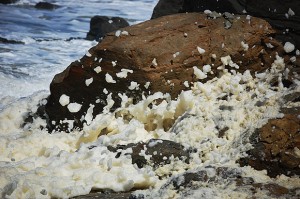
If you've been to Fort Funston during the summer months and wondered about the mysterious foam covering the beach, you're not alone. Many dog owners see their pets romping through this fluffy white substance and immediately worry: Is this soap? An oil spill? Something toxic?
Good news—it's completely natural. But understanding what sea foam is and why it appears can help you make informed decisions about your dog's beach adventures.
What Is Sea Foam?
Sea foam is a natural phenomenon that occurs when organic matter in the ocean breaks down and is agitated by wave action. Despite its soap-like appearance, it has nothing to do with detergents, pollution, or man-made chemicals (in most cases).
The foam is caused by the decaying remains of microscopic organisms in the sea—primarily phytoplankton and algae. When these organisms die and decompose, they release proteins, fats, and other organic compounds into the water. When waves churn this organic-rich water, it creates the same effect you see when you whisk egg whites or shake a bottle of shampoo—bubbles form and accumulate.
The Science Behind the Bubbles
Here's what happens at a molecular level:
- Organic compounds act as surfactants (surface-active agents) that reduce water's surface tension
- Wave action injects air into this surfactant-rich water
- The proteins and fats stabilize the bubbles, allowing them to persist
- Wind and waves push the foam ashore, where it accumulates on the beach
The foam can range from a few inches to several feet deep, depending on how much organic material is in the water and how rough the surf is.
Why Does It Appear at Fort Funston?
Fort Funston sees significant sea foam during spring and summer months due to San Francisco's unique marine ecosystem:
Spring Phytoplankton Blooms
Every spring, the ocean experiences sudden bursts of life. Phytoplankton blooms start at the end of March and can continue through early summer. These microscopic plant-like organisms reproduce rapidly, turning the water yellow-brown or greenish.
After a couple of weeks, tiny algae like diatoms occur in such numbers that they color the water. When these organisms die off, they create the perfect conditions for sea foam formation.
Cold Upwelling Waters
San Francisco's coastal waters are subject to upwelling—a process where deep, cold, nutrient-rich water rises to the surface. This brings nutrients that fuel massive phytoplankton blooms, which eventually die and contribute to foam formation.
Strong Wave Action
Fort Funston's beach is exposed to powerful Pacific waves that provide the mechanical agitation needed to whip organic compounds into foam. The stronger the surf, the more dramatic the foam display.
Is Sea Foam Safe for Dogs?
In most cases, natural sea foam is harmless to dogs. However, there are some important considerations:
When Sea Foam Can Be Problematic
While natural sea foam is usually safe, there are situations where it can indicate problems:
- Toxic algae blooms: Occasionally, harmful algal blooms (red tides) can produce foam that contains toxins. These blooms are usually accompanied by discolored water (red, brown, or murky green) and dead fish on the beach
- Pollution-enhanced foam: In areas with sewage discharge or urban runoff, foam may contain higher levels of bacteria or pollutants
- Ingestion risks: If your dog eats large amounts of foam, they may ingest concentrated organic matter, salt, and possibly bacteria, leading to stomach upset
Signs to Watch For
Avoid letting your dog play in foam if you notice:
- Dead or dying fish on the beach
- Unusual water color (red, brown, dark green)
- Strong foul odor beyond normal ocean smell
- Posted warnings about harmful algal blooms
- Large amounts of dead seabirds
Protecting Your Dog at the Beach
Here's how to let your dog enjoy the beach while minimizing any potential risks from sea foam:
Before You Go
- Check for beach warnings: Look for posted signs about water quality or harmful algae
- Research recent algae blooms: Check San Francisco Department of Public Health or California Department of Public Health websites
- Avoid the beach after heavy rains: Urban runoff can temporarily affect water quality
At the Beach
- Don't let your dog eat foam: While playing in it is generally fine, discourage ingestion
- Watch for signs of stomach upset: Excessive drooling, vomiting, or diarrhea after beach time warrants a vet call
- Bring fresh water: Keep your dog hydrated with clean water to discourage them from drinking seawater or foam-contaminated water
- Avoid areas with dead animals: Dead fish, birds, or marine mammals may indicate water quality issues
After the Beach
- Rinse your dog thoroughly: Saltwater and organic residue can irritate skin and coat
- Check for hot spots or irritation: Some dogs have sensitive skin that reacts to prolonged exposure
- Monitor for illness: Watch for vomiting, diarrhea, or lethargy in the 24 hours following beach time
The Bigger Picture: Ocean Health
Sea foam serves as a visible reminder of ocean cycles and marine productivity. The spring phytoplankton blooms that create foam are actually a sign of a healthy ocean ecosystem—these tiny organisms form the base of the marine food web, feeding everything from zooplankton to whales.
However, excessive foam can sometimes indicate problems:
- Over-enrichment from pollution can cause unnaturally large algae blooms
- Climate change is altering bloom timing and intensity
- Some blooms produce toxins that can harm marine life and dogs
Fort Funston: A Special Beach
As one of San Francisco's few off-leash beaches and a dog walker's paradise, Fort Funston offers unique opportunities for dogs to experience the coast. The dramatic cliffs, wide sandy beach, and consistent surf make it a favorite destination.
After 19 years of walking dogs at Fort Funston, I've seen countless summer days when the beach was blanketed in foam. I've watched hundreds of dogs romp through it with pure joy, and in all that time, I've never seen a dog become ill from natural sea foam contact.
That said, vigilance is always important. Know what you're looking at, watch for warning signs, and make smart decisions about when and where to let your dog play.
The Bottom Line
Sea foam at Fort Funston is a natural phenomenon caused by the breakdown of microscopic marine organisms. It's generally harmless and occurs most frequently during spring and summer when phytoplankton blooms are at their peak.
Let your dog enjoy the beach, but stay alert for signs of harmful algal blooms or water quality issues. When in doubt, keep your dog away from foam, bring fresh water, and always rinse them off after beach time.
The ocean is a dynamic, ever-changing environment—understanding what's happening beneath those fluffy white bubbles helps you keep your dog safe while letting them experience one of San Francisco's greatest natural playgrounds.