Foxtails Are Dangerous To Dogs!
Posted by The San Francisco Dog Walker
What Are Foxtails?
There are several species of Foxtail, a grassy weed usually found only in states west of the Mississippi River. Unless you grew up in the Western states, you may not know what a foxtail is or be unaware of the danger they pose to dogs. Foxtails grow rapidly during the winter/spring rains, and then dry out in the summer months. As foxtail grasses mature, a seed forms at the top of the stalk. The seed resembles a fox's tail, hence the name given to the grass.
When dog owners talk about "foxtails," they are actually speaking of the seed portion of the foxtail grass. Once foxtail grasses dry out, the seed detaches easily and sticks readily to clothing and fur. Foxtail seeds can enter a dog's body in a variety of ways and once they enter, they act like an animated fishhook: the seed continues to move forward through the dog's body, and because of tiny barbs, cannot move backwards.
⚠️ CRITICAL WARNING: Foxtail seeds are tenacious and can be deadly. All dog walkers should know: the faster you get your dog to the vet, the less it will probably cost, and the better the prognosis will be.
How Foxtails Enter a Dog's Body
It's most common for a foxtail seed to enter a dog's body through the skin, nose, ears, paws, genitals, and eyes. Cases have even been reported of foxtails being lodged in male dogs' urethra. One vet I spoke to mentioned how a foxtail seed found in a dog's lung was believed to have entered initially through the dog's paw! Foxtail seeds are tenacious, and can be deadly.
Foxtail seeds are relatively small, so detecting them once they enter a dog's body can be difficult. Vets usually rely on telltale symptoms such as head-shaking, paw licking, swellings on the body, or sudden and continuous sneezing. Foxtail seeds in the ears, nose, and eyes are very serious and can ultimately be life-threatening if they are not treated promptly.
Warning Signs & Symptoms
Nasal Cavity
If a foxtail seed has been inhaled and lodged in the nasal cavity, the dog will sneeze repeatedly and violently, sometimes even banging their nose on the floor with each sneeze in a futile attempt to dislodge the seed. It is often possible to sedate the animal, locate the seed with an otoscope, and remove it using special forceps, if rushed to the vet after the initial symptoms appear.
Paws & Under the Coat
If a foxtail seed is lodged in the paw or under the coat, a lump will usually form that is painful to touch. Depending on how deep the foxtail seed has traveled, they can usually be removed surgically.
Eyes
When a foxtail seed gets into a dog's eye, they will usually paw at the eye and the eye will water. Even if you can see a foxtail lying under the eyelid, don't try to remove it yourself! There's a good chance that you may not get it all. Keep your dog from pawing at their eye and get to a vet immediately, preferably a veterinary ophthalmologist.
Ears
If your dog gets a foxtail in their ear, they will usually shake their head violently. If you suspect a foxtail, get your dog to a vet immediately.
Prevention is Key
The best way to handle foxtail problems is to prevent them or treat them early. Here's what you need to do:
- Avoid foxtail-infested areas – If possible, especially during the dry season when the seeds are most dangerous.
- Thoroughly brush and inspect your dog's coat if it has been romping through tall, mature grass. Run your hands over their coat and look for foxtails. Dogs with long hair are particularly susceptible to foxtail seeds.
- Look into your dog's ears. If your dog has floppy ears, lift each ear and inspect carefully.
- Immediately examine your dog's paws (in-between toes and paw pads), neck (under the collar), tail/anus, and underarm areas after walks in areas with foxtails. Remove any foxtails that are sitting on the fur.
- If you believe your dog has a foxtail seed lodged somewhere in its body, get to a vet IMMEDIATELY. The longer you wait, the deeper the foxtail will travel, the more damage it may do, and the more difficult it will be to treat.
What Do Foxtails Look Like?
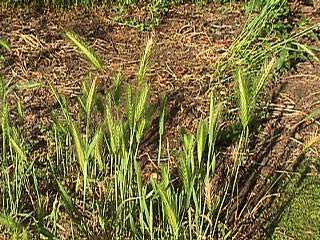
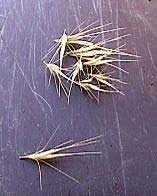
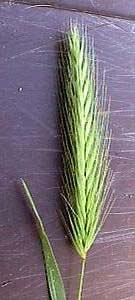
If you're not sure what a foxtail seed looks like, ask fellow dog people, or your vet if they can show you. Here are the most common types found in California:
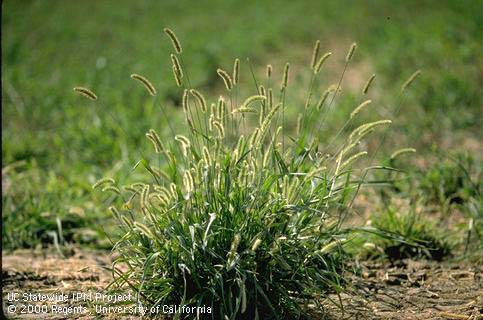
Wild Barley (Hordeum murinum) – Most Common
Other Dangerous Grass Seeds
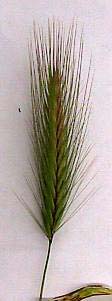
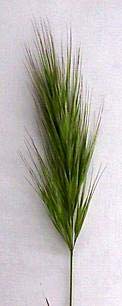
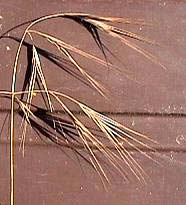
Learn to recognize foxtails and avoid them! Foxtail danger in our parks can be greatly reduced by simply mowing the grass regularly, especially in the late spring. Mowing cuts off the foxtail grass before the deadly seed forms.
Remember: As a San Francisco dog walker for over 19 years, I've seen firsthand how quickly foxtails can become a serious problem. Stay vigilant, inspect your dogs after every walk in grassy areas, and don't hesitate to get veterinary care if you suspect a foxtail injury. Your dog's life could depend on it!