Red Tides at Fort Funston
Posted by The San Francisco Dog Walker
Have You Seen the Red Tides at Fort Funston?
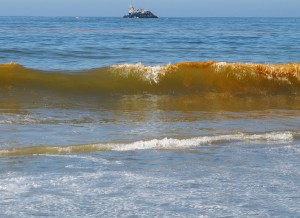
If you have been out to Fort Funston, you might have been lucky enough to see an unusual red color in the water. This striking natural phenomenon is commonly known as a "red tide," though scientists prefer the more accurate term "algal bloom." Understanding what red tides are and their potential dangers is crucial for any dog walker or beach visitor in San Francisco.
What Is a Red Tide?
In simplest terms, a red tide is a "bloom" of phytoplankton. Phytoplankton are microscopic, single-celled plants that occur naturally in our coastal waters. A "bloom" occurs when a particular species of phytoplankton begins reproducing rapidly and results in millions of cells in each gallon of water. Not all phytoplankton species produce visible blooms. Red tides are caused by a particular group of phytoplankton called dinoflagellates which seem to prefer warmer and calmer waters.
These algae are plant-like organisms that can form dense, visible patches near the water's surface. Some red tides are associated with the production of natural toxins, depletion of dissolved oxygen, or other harmful effects, and are generally described as harmful algal blooms.
What Causes the Color?
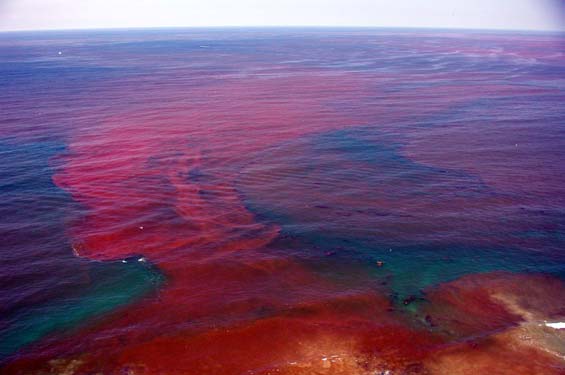
The phytoplankton cells that cause a red tide contain pigments for capturing sunlight needed for cell nourishment, growth, and reproduction. These pigments give off a reddish color when millions of cells are concentrated in each gallon of seawater along our coast. If you were to look at just one of these cells under a microscope it might actually have a golden-brown color.
Red tides can actually take on the appearance of a variety of colors from brown to burgundy, to bright red, and even yellow in some parts of the world. The color of a bloom depends on which phytoplankton species is present, and other factors such as light intensity and the angle of the sun shining on the water.
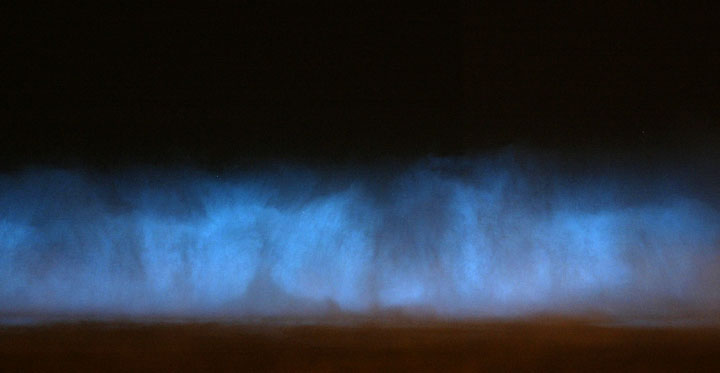
Some dinoflagellates can also produce light by a chemical reaction in the cell. Thus, a bloom can actually light up the ocean waves and footsteps on the beach at night, creating a spectacular bioluminescent display.
When and Where Do Red Tides Occur?
Red tides occur all over the world from tropical regions to Alaska. In California, the most frequent observations of red tides occur between Santa Barbara and San Diego. The majority of red tides in California occur between early spring (February, March) and late summer (August, September).
Red tides can last from days to months. The length of time that a plankton bloom continues depends on many things, such as available nutrients and sunlight, water temperature, changes in wind or surf conditions, competition with other species, and grazing by zooplankton and small fish.
Wildlife Impact at Fort Funston
The most conspicuous effects of red tides are the associated wildlife mortality among marine and coastal species of fish, birds, and marine mammals. When I observed the red tide at Fort Funston, there were dead crabs on the beach a couple of days before the red tide showed its face to us. This is a common warning sign that something is affecting the local marine ecosystem.
⚠️ IMPORTANT WARNING: At this point, it is unknown if the red tide is toxic to dogs and humans, but some surfers have stated that they have been sick after being out in this water. The red color will disappear once the conditions change.
Are All Red Tides Toxic?
In California, the majority of red tides are not caused by species that produce deadly toxins such as domoic acid and the paralytic shellfish poisoning toxins. Unfortunately, sometimes phytoplankton blooms are formed by toxin producers. Therefore it is best to be cautious and assume that a bloom is toxic until you can learn more.
Red tides have occurred for thousands of years. These are blooms of microscopic algae that feed slightly larger zooplankton, which in turn feed everything from fishes to sea lions to whales in the ocean. Phytoplankton are the base of the food web in the ocean and their presence is both normal and essential.
However, scientists are concerned that there has been an increase in the number of blooms that occur each year, and that blooms, particularly toxic blooms, are occurring in parts of the world where they never occurred before. The increased red tide activity could be related to human activity, which has greatly increased the amount of nutrients that enter our coastal waters.
Health Hazards for Dogs and Humans
Toxic red tides can result in lethal levels of nerve toxins in certain seafood. Remember: this dangerous condition can occur even in the absence of a visible red tide.
Nontoxic red tides in California have been reported to cause irritation of the eyes, mouth, and throat, as well as cold and flu-like symptoms. Even though most red tides do not produce toxins, they do change the chemical composition of the seawater where they are occurring, which can affect humans that swim through a bloom. Red tides can also deplete the oxygen in the water. As a result, a bloom in a protected body of water such as a harbor can cause fish kills and deaths in other marine life that cannot escape the area.
Specific Toxins of Concern
Paralytic Shellfish Poisoning (PSP) Toxins: Certain one-celled organisms called dinoflagellates produce PSP toxins. PSP symptoms begin within a few minutes to a few hours after eating toxic shellfish. Symptoms begin with tingling and numbness of the lips, tongue and fingertips. Later symptoms include lack of balance, lack of muscle coordination, slurred speech and problems swallowing. Complete paralysis and death can occur in severe cases.
Domoic Acid: Certain one-celled plants called diatoms produce domoic acid. Domoic acid poisoning symptoms begin within 30 minutes to 24 hours after eating toxic seafood. In mild cases, symptoms may include vomiting, diarrhea, stomach cramps, headache, dizziness and confusion. Difficulty breathing, seizures, coma and death can occur in severe cases.
Safety Tips for Dog Walkers at Fort Funston
As a San Francisco dog walker for over 19 years, I've learned to be extremely cautious when red tides appear at our beaches. Here's what you need to know to keep your dogs safe:
- Avoid the water during a bloom – If you see discolored water, keep your dogs out of it. Don't let them drink the water or lick their paws after walking through it.
- Watch for dead marine life – The presence of dead crabs, fish, or birds on the beach is a warning sign that toxins may be present.
- Rinse your dog immediately – If your dog does come into contact with red tide water, rinse them thoroughly with fresh water as soon as possible.
- Monitor for symptoms – Watch for signs of illness in your dog including vomiting, diarrhea, excessive drooling, difficulty breathing, or unusual behavior. Seek veterinary care immediately if you notice any concerning symptoms.
- Don't let dogs eat dead marine animals – Dogs should never be allowed to eat or chew on dead crabs, fish, or other marine life found on the beach, especially during a red tide event.
- Check current conditions – Call the California Department of Public Health Biotoxin Information Line at 1-800-553-4133 for current marine toxin health advisories before heading to the beach.
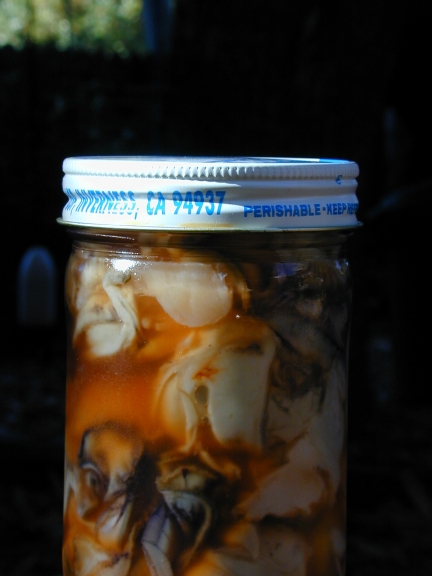
Remember: Dangerous levels of toxins can concentrate in a variety of seafood (mussels, oysters, clams, crab viscera) even though a visible bloom has not occurred. The absence of a red tide does not mean the water is safe.
If you believe your dog has been exposed to toxic algae, contact your veterinarian immediately. Time is critical in treating poisoning cases.
Monitoring and Information
Fortunately, the California Department of Public Health (CDPH) has a volunteer-based program to monitor our coast for the presence of toxin-producing phytoplankton. CDPH also routinely monitors shellfish for the presence of dangerous toxins.
For current information on red tides and marine toxins:
- Call the Biotoxin Information Line: 1-800-553-4133 (or 510-412-4643)
- Visit the CDPH website for updates and annual reports
- Watch for posted signs at beaches warning of quarantines or health advisories
The red tide at Fort Funston is a fascinating natural phenomenon, but it requires respect and caution. As dog walkers and beach visitors, our responsibility is to stay informed and keep our canine companions safe while enjoying the beautiful San Francisco coastline.