Leptospirosis: From Dead Seals to City Parks
Posted by The San Francisco Dog Walker
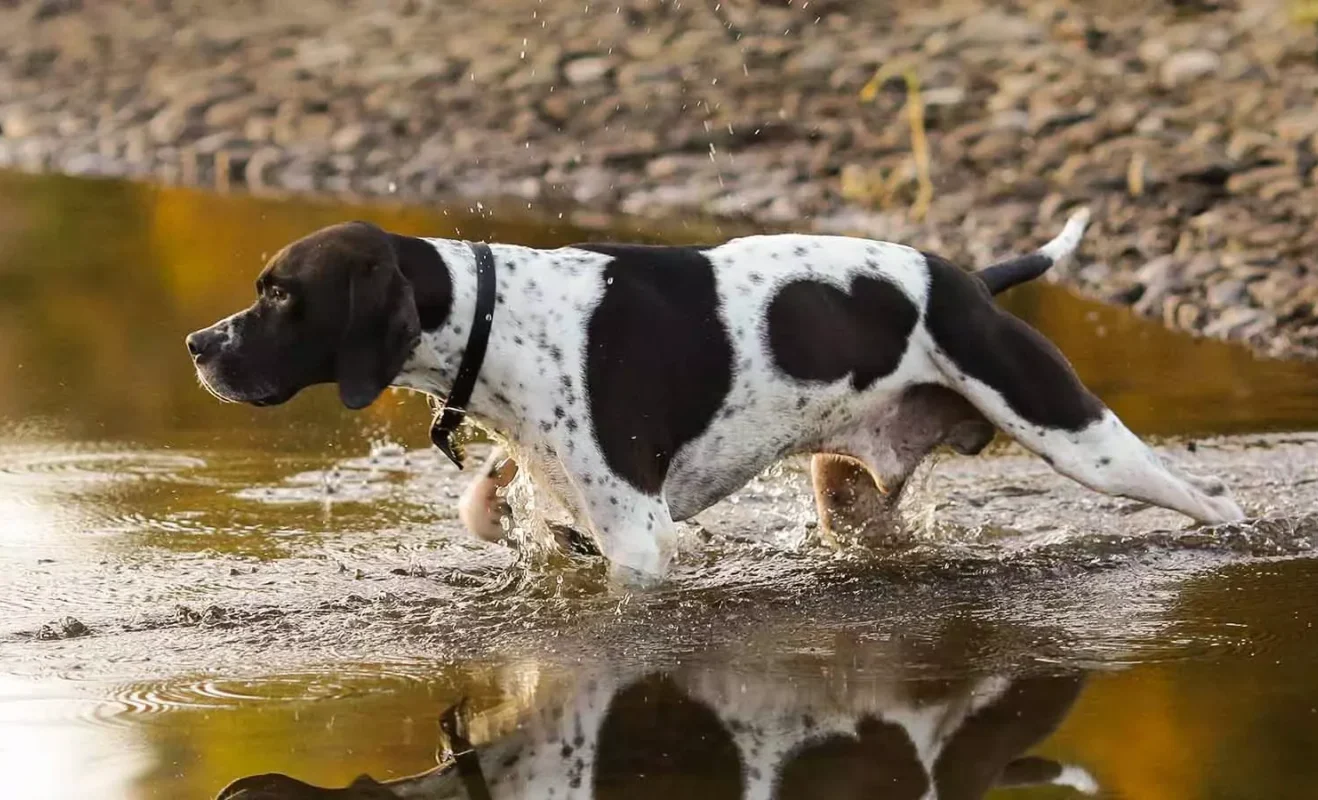
Leptospirosis is one of the most serious infectious diseases threatening San Francisco dogs. This potentially fatal bacteria lurks in our parks, on our beaches, and anywhere infected wildlife has been. Unlike many dog diseases that remain rare, Leptospirosis experiences periodic surges in the Bay Area—and when outbreaks occur, the consequences can be devastating.
What makes Leptospirosis particularly concerning is its dual source of exposure in San Francisco: dead or dying marine mammals washing up on our popular off-leash beaches, and contaminated puddles and mud in our urban parks left by raccoons, rats, and other wildlife. Your dog can encounter this deadly bacteria on a routine walk through McLaren Park just as easily as during a beach day at Fort Funston.
What Is Leptospirosis?
Leptospirosis (commonly called "lepto") is a bacterial infection caused by spiral-shaped bacteria called Leptospira. There are over 200 different serovars (types) of Leptospira, and different serovars are carried by different animal species.
How Transmission Works
Leptospira bacteria live in the kidneys of infected animals and are shed in their urine. The bacteria can survive in:
- Standing water (puddles, ponds, drainage areas)
- Moist soil and mud
- Bodies of deceased animals
- Contaminated food and water bowls
The bacteria remain viable for weeks or even months if conditions are right—moist, warm, and neutral pH. San Francisco's mild, damp climate provides ideal conditions for Leptospira survival.
How Dogs Get Infected
Dogs contract Leptospirosis when the bacteria enter their body through:
- Mucous membranes: Eyes, nose, mouth, genitals
- Broken skin: Cuts, scrapes, abrasions
- Ingestion: Drinking contaminated water, eating infected tissue
- Direct contact: With urine from infected animals
This means your dog doesn't need to drink from a puddle to get infected—simply walking through contaminated mud or sniffing where an infected animal has urinated can be enough if the bacteria come in contact with their nose, mouth, or eyes.
San Francisco's Unique Leptospirosis Risks
San Francisco faces Leptospirosis threats from two major sources:
Marine Mammals: The Beach Threat
Dead or dying seals and sea lions regularly wash up on San Francisco beaches, particularly at:
- Fort Funston
- Ocean Beach
- Baker Beach
- Crissy Field
Marine mammals are known carriers of Leptospira, and their carcasses remain infectious for days or weeks. The bacteria concentrate in the animals' kidneys and urine, but contaminate surrounding sand and water as the body decomposes.
Dogs are naturally curious about dead animals. They investigate, sniff closely, roll on them, or even attempt to eat parts of the carcass—all of which can lead to infection.
Urban Wildlife: The Park Threat
San Francisco's parks harbor healthy populations of wildlife that carry and shed Leptospira:
- Rats: Abundant in all SF parks, primary carriers
- Raccoons: Common in Golden Gate Park, McLaren Park, and throughout the city
- Skunks: Present in parks and residential areas
- Opossums: Frequent carriers
- Mice and voles: Everywhere in urban environments
These animals urinate freely as they move through parks, contaminating:
- Puddles and standing water
- Muddy trails and grass
- Drainage areas
- Dog water bowls left out in parks
Why Outbreaks Occur After Rain
Leptospirosis cases in San Francisco typically surge after periods of heavy rain because:
- Rain creates standing water where bacteria thrive
- Puddles become concentrated sources of infection
- Dogs are more likely to walk through mud and water
- Wildlife activity increases around water sources
The pattern is predictable: after a wet winter, spring brings increased Leptospirosis cases as dogs who've been exposed during rainy months begin showing symptoms.
Symptoms of Leptospirosis
Leptospirosis symptoms can range from mild to fatal, and unfortunately, early signs are often vague and easily mistaken for less serious illnesses.
Early Symptoms (First 2-7 Days):
- Fever (often high—103-104°F)
- Lethargy and weakness
- Loss of appetite
- Muscle pain and stiffness (reluctance to move)
- Vomiting
- Diarrhea
- Increased thirst and urination
These nonspecific symptoms make early diagnosis challenging. Many owners think their dog has a mild stomach bug or is just tired from too much exercise.
Progressive Symptoms (As Organs Fail):
- Kidney failure: Decreased or absent urination, swelling, pain in kidney area
- Liver damage: Jaundice (yellowing of gums, eyes, skin), dark urine
- Bleeding disorders: Nosebleeds, blood in urine or stool, bruising
- Respiratory problems: Coughing, difficulty breathing, rapid breathing
- Neurological signs: Confusion, seizures
Severe Cases:
In severe infections, dogs can develop:
- Complete kidney failure requiring dialysis
- Acute liver failure
- Disseminated intravascular coagulation (DIC)—life-threatening bleeding disorder
- Pulmonary hemorrhage (bleeding in the lungs)
- Death
Diagnosis and Treatment
How Vets Diagnose Leptospirosis
Diagnosis requires:
- Blood work: Shows elevated kidney values (BUN, creatinine), liver enzymes, and other abnormalities
- Urinalysis: May show protein, blood, and casts (indicators of kidney damage)
- Leptospira testing:
- PCR test (detects bacterial DNA)
- Serology (antibody titers—requires two tests 2-4 weeks apart)
- Urine culture
The challenge is that definitive test results can take days, so treatment often begins based on clinical suspicion and initial bloodwork.
Treatment
Treatment must be aggressive and begin immediately:
- Antibiotics: Doxycycline is the treatment of choice, often combined with penicillin or ampicillin initially. Treatment typically lasts 3-4 weeks
- IV fluid therapy: To support kidney function and maintain hydration
- Anti-nausea medications: To control vomiting
- Gastroprotectants: To protect the stomach and intestines
- Nutritional support: Many dogs need feeding tubes
- Dialysis: For severe kidney failure (rarely available, extremely expensive)
- Hospitalization: Often required for several days to weeks
Prognosis
Survival rates depend on:
- How quickly treatment begins
- Severity of organ damage
- Which organs are affected
- The dog's overall health
With early, aggressive treatment, about 75-80% of dogs survive. However, some dogs are left with permanent kidney or liver damage requiring lifelong management.
Without treatment, Leptospirosis is often fatal.
The Leptospirosis Vaccine: Essential But Imperfect
A vaccine for Leptospirosis exists, and it's absolutely essential for San Francisco dogs. However, dog owners need to understand its limitations.
The Four-Serovar Problem
The currently available Leptospirosis vaccine protects against four serovars:
- Leptospira canicola
- Leptospira icterohaemorrhagiae
- Leptospira grippotyphosa
- Leptospira pomona
These are the four most common serovars affecting dogs in North America. However, remember there are over 200 serovars of Leptospira in existence. This means:
What The Vaccine Does Provide
Despite not offering complete protection, the vaccine:
- Significantly reduces risk of infection from the four covered serovars
- Reduces severity of illness if vaccinated dogs do become infected
- Shortens duration of illness
- Decreases risk of organ failure
- Reduces shedding of bacteria (protecting other dogs and humans)
Vaccination Schedule
- Initial series: Two doses, 3-4 weeks apart
- Boosters: Annually (every 12 months)
- For high-risk dogs: Some vets recommend boosters every 6-9 months
The Vaccine Is NOT Automatic
Here's what many dog owners don't realize: Leptospirosis vaccine is not included in standard puppy vaccines or routine annual shots.
The DHPP vaccine (commonly called "distemper shot") covers:
- D = Distemper
- H = Hepatitis (Adenovirus)
- P = Parvovirus
- P = Parainfluenza
Notice what's missing? Leptospirosis.
You must specifically request the Leptospirosis vaccine. Many vets will recommend it, but you need to ensure it's actually given and kept current.
Why Some Vets Don't Automatically Give It
Some veterinarians are hesitant to routinely vaccinate for Leptospirosis because:
- Higher rate of vaccine reactions compared to other vaccines (though still rare)
- Not considered necessary in all geographic areas
- Concerns about vaccine duration and efficacy
However, in San Francisco and the Bay Area, the risk of Leptospirosis exposure is high enough that vaccination is strongly recommended for all dogs who go outdoors.
Prevention Beyond Vaccination
While vaccination is your best defense, additional precautions are important:
At The Beach
- Never let your dog approach dead seals, sea lions, or other marine mammals
- Keep dogs on leash at beaches where carcasses are common
- Report dead marine mammals to the Marine Mammal Center: (415) 289-7325
- Stay away from areas around dead animals—bacteria can contaminate a wide radius
In The Parks
- Don't let your dog drink from puddles, ponds, or standing water
- Avoid muddy areas, especially after rain
- Bring fresh water for your dog on walks
- Don't use community water bowls
- Keep dogs on maintained trails when possible
At Home
- Don't leave dog food or water bowls outside (attracts wildlife)
- Control rodent populations around your property
- Clean up standing water in yards
- Fence yards to reduce wildlife access
The Human Health Connection
Leptospirosis is a zoonotic disease—meaning it can spread from animals to humans. People can contract Leptospirosis through:
- Direct contact with infected dog urine
- Contact with contaminated water or soil
- Exposure to infected wildlife
In humans, Leptospirosis can cause:
- Flu-like symptoms
- Severe headaches
- Muscle pain
- Kidney and liver failure
- Meningitis
- Death in severe cases
If your dog is diagnosed with Leptospirosis:
- Wear gloves when handling your dog
- Clean up urine immediately with disinfectant
- Wash hands thoroughly and frequently
- Keep infected dogs away from children
- Alert your family doctor if anyone develops symptoms
Real Cases in San Francisco
Leptospirosis outbreaks occur in San Francisco with concerning regularity. During active outbreak periods, multiple cases may be documented within weeks or months—often clustered around specific parks or after periods of heavy rain.
These aren't isolated incidents. When conditions are right (rain, wildlife activity, unvaccinated dog population), Leptospirosis emerges as a serious threat to San Francisco's dog community.
The Bottom Line
Leptospirosis is a deadly disease that's preventable through vaccination—but the vaccine is not automatic and doesn't provide 100% protection. San Francisco dogs face unique risks from both contaminated urban parks and marine mammal carcasses on beaches.
After 19 years of walking dogs in San Francisco, I've seen the aftermath of Leptospirosis infections—heartbroken owners, expensive hospitalizations, permanent organ damage, and tragic deaths. Every single case could have been prevented or made less severe through vaccination.
Talk to your vet today about the Leptospirosis vaccine if your dog doesn't have it. Keep boosters current. And practice vigilant prevention: avoid puddles, stay away from dead animals, bring fresh water on walks.
Your dog's life may depend on it. And your own health could be at risk too.
This is one disease where an ounce of prevention truly is worth a pound of cure.