Preventing Dog Heat Stroke:
Essential Tips for Pet Owners
Posted by The San Francisco Dog Walker
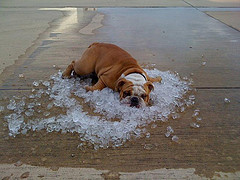
Dogs Can Die From Heat Stroke!
Animal experts say that it's a common misconception that dogs can survive if the windows are cracked on a hot day, or if the car is parked in the shade. They said people often think that dogs can handle high temperatures. Wrong! In fact, even a dog walk in high heat can hurt or kill them. Dogs can get overheated much quicker than we can. Their temperature can shoot up to 104, 105 degrees in just a matter of ten to fifteen minutes, and that can lead to a seizure.
Even cracking a window a little bit, thinking they'll be okay isn't enough to keep them safe. There's not enough breeze. Dogs don't cool down the way we do. They cool down by panting.
Understanding How Dogs Regulate Temperature
Heat stroke or exhaustion can occur very quickly for our dogs as they only have the ability to sweat through the pads of their feet. The major way they expel heat is through panting. The two most common ways that pets get overheated is being left in cars or kennels when it is too hot, or playing or running excessively in the heat.
Our canine friends are almost always up for a brisk dog walk or a game of fetch. The problem is that they do not know when they are overheated until it is too late. Thus, it is up to us as their caregivers to understand when it is time to take a break, drink some water and rest in the shade for awhile.
A dog's normal temperature runs between 101 and 102.5 degrees so they are naturally warmer than we are. When their temperature exceeds 106 degrees there is a very real danger in damaging cells in their brain and causing permanent damage or even death.
Recognizing the Signs of Heat Stroke
Early recognition of heat stroke symptoms can save your dog's life. Watch for these warning signs:
- Excessive panting or difficulty breathing
- Increased heart rate
- Drooling or excessive salivation
- Weakness, collapse, or lethargy
- Bright red, gray, purple, or bluish gums and tongue
- Vomiting or diarrhea (sometimes with blood)
- Glazed eyes or lack of coordination
- Seizures or loss of consciousness
If you notice any of these symptoms, treat it as a medical emergency and act immediately.
High-Risk Breeds and Conditions
While all dogs can suffer from heat stroke, some are at higher risk:
- Brachycephalic breeds: Bulldogs, Pugs, Boston Terriers, Boxers, and Shih Tzus with short noses have difficulty cooling themselves through panting
- Heavy-coated breeds: Huskies, Malamutes, Chow Chows, and other thick-coated dogs
- Overweight dogs: Extra weight makes temperature regulation more difficult
- Senior dogs: Older dogs have reduced ability to regulate body temperature
- Dogs with medical conditions: Heart disease, respiratory problems, or other health issues increase risk
- Dark-colored dogs: Dark fur absorbs more heat than light-colored coats
Emergency First Aid for Heat Stroke
⚠️ EMERGENCY: If you think your dog is suffering from heat stroke, get him out of the heat as soon as possible and call your veterinarian immediately!
Here are steps you can take while getting your dog to the vet:
- Move to a cool location: Get your dog into shade or an air-conditioned building immediately
- Apply cool water: Pour cool—not cold—water on them, starting with their feet, neck, and genital areas. Never use ice-cold water as this can cause shock
- Use rubbing alcohol: Put rubbing alcohol on the pads of their feet to help cool them
- Wrap in wet cloth: Wrap them in a sheet or towel that's been soaked with cool water
- Provide drinking water: Offer small amounts of cool water, but don't force them to drink
- Use a fan: If available, direct a fan toward your dog to increase air circulation
- Get veterinary care: Even if your dog seems to recover, take them to the vet. Internal damage may have occurred that isn't immediately visible
Important: It is crucial not to submerge the pet in cold water as this can lead to shock. The goal is gradual cooling, not rapid temperature drop.
Prevention: Keeping Your Dog Safe in Hot Weather
Prevention is always better than treatment. Here are essential tips for keeping your dog safe during hot weather:
Never Leave Your Dog in a Parked Car
This cannot be stressed enough: Never leave your dog in a parked car, even for "just a minute." On a 70-degree day, the temperature inside a car can reach 90 degrees in just 10 minutes and 110 degrees in 30 minutes. Even with the windows cracked and the car parked in shade, temperatures can become deadly quickly.
The test to tell if it's too hot to leave your pet in the car: If it's too hot for you in the car, it's way too hot for your dog. And don't forget the longer you are away, the hotter your car gets. Even 15 minutes may be too long.
Time Outdoor Activities Wisely
- Walk your dog early in the morning or late in the evening when temperatures are cooler
- Avoid the hottest parts of the day (typically 10 AM to 4 PM)
- Keep walks shorter during hot weather
- Test pavement temperature with your hand—if it's too hot for your hand, it's too hot for your dog's paws
Provide Adequate Water and Shade
- Always ensure your dog has access to fresh, cool water
- Bring water and a portable bowl on walks
- Provide shaded areas in your yard
- Consider adding ice cubes to water bowls on particularly hot days
Limit Exercise in Hot Weather
- Reduce the intensity and duration of exercise during hot weather
- Watch for signs of overheating during play
- Take frequent breaks in the shade
- Consider indoor activities like training or puzzle games on extremely hot days
Create Cool Spaces
- Allow your dog access to air-conditioned rooms
- Provide a cooling mat or wet towel for your dog to lie on
- Use fans to increase air circulation
- Set up a kiddie pool for water-loving dogs
Hot Pavement Burns
One often-overlooked summer danger is hot pavement. While San Francisco's sidewalks rarely get as hot as those in inland areas, on sunny days, dark asphalt and concrete can still reach temperatures high enough to burn your dog's paw pads.
If you notice your dog suddenly limping, refusing to walk, or licking their paws excessively during a walk, check for burned pads. They may appear red, blistered, or have missing pieces of pad.
Prevention is simple: If you can't comfortably hold your hand on the pavement for 5-7 seconds, find a grassy route or walk during cooler times. Consider protective dog booties for sensitive paws.
Hot Sand at the Beach
Here's a surprise many San Francisco dog owners don't expect: even when the air temperature is a comfortable 70 degrees at Ocean Beach or Fort Funston, the sand can be scorching hot. The sun bakes the sand, making it super hot regardless of how cool the air feels. This is one of those unique San Francisco phenomena—you might be wearing a jacket while your dog's paws are burning on the sand beneath them.
The danger is particularly insidious because it might feel perfectly comfortable to you while your dog is suffering. And here's the real problem: imagine your dog runs down to play by the water's edge, and then has to walk all the way back across that hot sand to get to the car. They can't tell you their paws are burning, and by the time you notice them limping or trying to hop from paw to paw, the damage may already be done.
The Hand Test for Sand
Before letting your dog walk on beach sand, do this simple test: Place the back of your hand on the sand and hold it there for at least 30 seconds to a minute. If it's uncomfortable for you to keep your hand there, it's too hot for your dog's paws. Remember, your dog will potentially need to walk across this surface for several minutes to get back to the parking area.
Don't rely on air temperature—even on a cool 70-degree day, the sun can bake the sand to dangerous temperatures. Always do the hand test before assuming it's safe.
Ask yourself: "If my dog is down by the water and has to walk back to the car, will they be suffering in pain?" If there's any doubt, it's better to skip the beach visit or come back during cooler hours.
Beach Safety Tips
- Visit during early morning or evening: The sand is coolest before 10 AM and after 6 PM
- Stick to the wet sand: The sand near the water's edge is significantly cooler than dry sand
- Bring booties: Dog booties aren't just for snow—they're excellent for hot sand protection
- Plan your route: Think about how your dog will get back to the car before you let them run to the water
- Watch for signs of discomfort: Limping, refusing to walk, holding paws up, or excessive paw licking
- Bring a towel or blanket: Create a cool spot for your dog to rest on
The irony of San Francisco beaches is that while you're bundled up in layers, your dog might be dealing with surface temperatures hot enough to cause burns. Don't let the cool ocean breeze fool you—always check that sand temperature before your beach adventure.
Special Considerations for San Francisco
While San Francisco is known for its mild climate, heat stroke can still occur, especially during our occasional heat waves or when visiting warmer areas like the Peninsula or East Bay. Additionally, microclimates within the city mean some neighborhoods can be significantly warmer than others. Fort Funston on a sunny day, while beautiful for walking, can become quite warm with limited shade in some areas.
As a professional dog walker in San Francisco for over 19 years, I've learned to adjust walk times and locations based on weather conditions. During warmer periods, we focus on shaded trails and ensure all dogs have frequent water breaks.
What Temperature Is Too Hot for Dogs?
Generally speaking, temperatures above 80°F can be dangerous for dogs, especially when combined with high humidity. When the temperature reaches 85°F or higher, it's time to take extra precautions or keep your dog indoors. Remember that humidity makes it harder for dogs to cool themselves through panting, so an 80-degree day with high humidity can be more dangerous than a 90-degree day with low humidity.
Conclusion
Dogs can't handle the heat as well as we can and run the risk of developing heat stroke much more quickly. Even if you leave the window open and park in the shade, it may not be good enough. Your dog's safety depends on your vigilance and quick action.
Remember these key points:
- Never leave your dog in a parked car
- Adjust exercise routines during hot weather
- Always provide access to water and shade
- Know the signs of heat stroke
- Act immediately if you suspect heat stroke—get your dog to a vet
By following these guidelines and staying alert to your dog's needs, you can ensure your furry friend stays safe and healthy even during the warmest weather. When in doubt, err on the side of caution—it's always better to be overly careful than to risk your dog's health and life.