Knowing Dog DNA Can Be Beneficial
Posted by The San Francisco Dog Walker
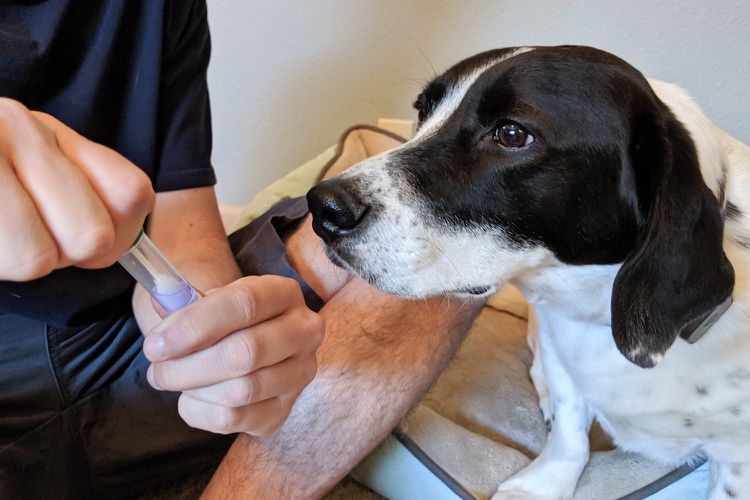
If you've ever looked at your mixed-breed dog and wondered, "What are you, exactly?"—you're not alone. But knowing your dog's DNA is about so much more than satisfying curiosity. DNA testing has become an extremely important tool for veterinarians in keeping your pet healthy, and it can provide insights that might literally save your dog's life.
After 19 years of walking dogs in San Francisco, I've seen countless mixed-breed pups whose owners had no idea what they were dealing with. Some turned out to have breeds prone to specific health conditions that could have been caught earlier with DNA knowledge. Others had breed combinations that explained their quirky behaviors or exercise needs.
Here's everything you need to know about dog DNA testing and why it might be one of the smartest investments you can make in your dog's health and well-being.
What Can Dog DNA Testing Tell You?
Modern dog DNA tests analyze your dog's genetic markers to provide remarkably detailed information:
Breed Identification
The most obvious benefit is finding out what breeds make up your dog. Most tests can identify breeds down to 5% of your dog's genetic makeup. This isn't just fun trivia—it's actionable information. If you find out your dog is part Border Collie, you now understand why they need so much mental stimulation. If they're part Beagle, that explains the nose-to-ground behavior and tendency to follow scents obsessively.
Health Predispositions
This is where DNA testing becomes truly valuable from a medical perspective. Many diseases are directly related to a dog's genetic makeup. Comprehensive DNA tests can screen for over 200 genetic health conditions, including:
- Hip dysplasia: Common in German Shepherds, Labs, Golden Retrievers
- Progressive retinal atrophy (PRA): Can lead to blindness
- Von Willebrand disease: A bleeding disorder
- Degenerative myelopathy: A progressive spinal cord disease
- Dilated cardiomyopathy (DCM): A serious heart condition
- Exercise-induced collapse: Common in Labs and related breeds
- MDR1 drug sensitivity: Critical for medication safety (more on this below)
Knowing your dog's genetic predisposition allows your vet to anticipate problems and provide early diagnosis or preventive care. For instance, if your dog tests positive for a hip dysplasia risk, you can implement weight management, appropriate exercise, and joint supplements early—potentially preventing or delaying the onset of painful arthritis.
Drug Sensitivities
This might be the most critical health benefit of DNA testing. Some breeds carry the MDR1 genetic mutation that makes them dangerously sensitive to common medications, including:
- Ivermectin (used in heartworm prevention and parasite treatment)
- Certain anesthetics
- Anti-diarrheal medications (like Imodium)
- Some chemotherapy drugs
Breeds commonly affected include Australian Shepherds, Collies, Shelties, and several other herding breeds. If your mixed-breed dog has any of these breeds in their background, knowing about MDR1 sensitivity can literally save their life. Your vet can avoid these medications or adjust dosages accordingly.
Physical Traits
DNA tests can also reveal genetic markers for:
- Adult weight prediction
- Coat type and color
- Body size and build
- Likelihood of shedding
- Ear type (floppy vs. erect)
This is especially helpful for puppies—knowing their predicted adult weight can help you prepare for their needs and choose appropriate equipment (crates, harnesses, etc.) that they won't quickly outgrow.
Behavioral Traits
While environment and training play huge roles, genetics do influence behavior. DNA tests can identify predispositions for:
- Herding instinct
- Prey drive
- Guarding behavior
- Sociability
- Trainability
- Energy level
Understanding these genetic tendencies helps you provide appropriate training, exercise, and enrichment. A dog with strong herding genetics needs different activities than a dog bred for companionship.
How Accurate Are Dog DNA Tests?
The accuracy of dog DNA tests varies based on the testing company and the genetic markers used. Generally, reputable companies claim a high accuracy rate in breed identification, often around 90-95%.
However, accuracy depends on several factors:
- Database size: Companies with larger breed databases can identify more breeds accurately
- Genetic markers analyzed: More comprehensive tests analyze more markers
- Breed complexity: Dogs with many different breeds or rare breeds may be harder to identify accurately
- Test type: Health screening is generally more accurate than breed identification because specific genetic mutations are easier to identify than breed percentages
The leading companies (Embark and Wisdom Panel) have the largest databases and test for the most genetic markers, making them the most accurate options available.
How Does Dog DNA Testing Work?
The process is remarkably simple:
- Order a kit: Purchase from the company's website or retailers like Chewy or Amazon
- Collect a sample: Most tests use a cheek swab—you simply swab the inside of your dog's cheek for 30-60 seconds
- Register and mail: Register your kit online (this links the sample to your account) and mail it back in the prepaid envelope
- Wait for results: Processing typically takes 2-4 weeks
- Review your results: You'll receive detailed results via email or through the company's app/website
The whole process takes just a few minutes of your time, and most dogs tolerate the cheek swab without any issues.
Who Should Get Their Dog DNA Tested?
While any dog owner can benefit from DNA testing, it's especially valuable for:
Mixed-Breed Dogs
Obviously, this is where breed identification provides the most new information. But even if you know some of your mixed-breed dog's background, you might be surprised by what else is in there. I've seen supposed "Lab mixes" turn out to have significant amounts of Chow, Pit Bull, or even Basenji in their genetic makeup.
Rescue Dogs
When you adopt a rescue, you often know nothing about their background. DNA testing fills in crucial gaps about their breed makeup, size potential (for puppies), and health risks. This information can guide everything from training approaches to preventive healthcare.
Purebred Dogs
Wait, why would you test a purebred? Because even purebred dogs benefit from health screening. In fact, Embark offers a specific test for purebred dogs that focuses on genetic diversity and health screening rather than breed identification. This can reveal whether your purebred is at risk for breed-specific conditions and help you implement preventive care early.
Dogs Needing Medical Procedures
If your dog needs surgery or other medical procedures, knowing about drug sensitivities beforehand is crucial. The MDR1 mutation screening alone can be life-saving.
Dogs with Behavioral Challenges
Understanding your dog's breed makeup can explain certain behaviors and guide training approaches. A dog with strong terrier genetics may need different training techniques than one with primarily herding or sporting breeds.
Cost Considerations
Dog DNA tests range in price based on what they include:
- Basic breed identification only: $70-$100
- Breed + basic health screening: $100-$130
- Comprehensive breed + extensive health screening: $150-$200
- Purebred-specific health panels: $130-$200
While it might seem expensive, consider this: A single vet visit for a preventable condition can cost several hundred dollars. If DNA testing reveals a health predisposition that you can address proactively, the test pays for itself many times over.
Tests frequently go on sale, especially around holidays. Sign up for email lists from Embark and Wisdom Panel to catch deals—I've seen them discounted by 30-40%.
Recommended DNA Tests
Based on accuracy, comprehensiveness, and user reviews, here are the top picks:
Best Overall: Wisdom Panel Essential
The Wisdom Panel Essential Dog DNA Collection Kit provides comprehensive results with robust explanatory information, all in just three weeks. It tests for 350+ breeds and over 25 health conditions.
Best for Comprehensive Health Screening: Embark Breed & Health
The Embark Breed & Health Dog DNA Test is the most comprehensive option available, screening for over 350 breeds and more than 210 genetic health conditions. It also includes genetic diversity information and a free vet consultation to discuss results.
Best for Purebred Dogs: Embark for Purebreds
If you have a purebred dog, Embark's DNA Test for Purebred Dogs, Health & Ancestry Kit can give you beneficial information about their genetic diversity, health risks specific to their breed, and even help you find genetic relatives.
Best for Budget: Wisdom Panel Breed
The Wisdom Panel Breed Dog DNA Collection Kit offers solid breed identification at a lower price point. Good for those primarily interested in breed makeup rather than extensive health screening.
Best for Inherited Traits: Ancestry Know Your Pet
The Ancestry Know Your Pet Dog DNA Test Kit provides detailed information about physical traits and characteristics, beyond just breed identification.
Privacy and Database Concerns
Some owners worry about privacy when submitting their dog's DNA. Here's what you should know:
- Most companies use your dog's DNA only for the stated purposes (breed identification, health screening)
- Some companies contribute to research databases (usually anonymized) to advance canine genetics knowledge
- You can often opt out of research participation
- Read the company's privacy policy before testing if this is a concern
- Your dog's genetic information is typically not shared with third parties without consent
Limitations to Keep in Mind
DNA testing is powerful, but it's not perfect:
- Probability, not certainty: A genetic predisposition doesn't mean your dog will definitely develop a condition—just that the risk is higher
- Not a substitute for vet care: DNA results should supplement, not replace, regular veterinary checkups
- Environmental factors matter: Genetics are only part of the health picture. Diet, exercise, and environment also play huge roles
- Rare breeds may be missed: If your dog has a very rare or recently developed breed, it might not be in the database
- Mixed results can be complex: Dogs with many different breeds may have results that are harder to interpret
Making the Most of Your Results
Once you get your DNA results:
- Share them with your vet: Provide a copy of the health screening results to your veterinarian. They can use this to guide preventive care and watch for early signs of conditions your dog is predisposed to.
- Research the breeds: Learn about the breeds in your dog's makeup—their typical exercise needs, health issues, behavioral traits, and training requirements.
- Adjust care accordingly: Use the information to optimize your dog's diet, exercise routine, and preventive care.
- Save the results: Keep the documentation permanently in your dog's health records. It may be relevant years down the line.
- Don't panic: If your dog tests positive for a genetic health condition, remember it's a predisposition, not a guarantee. Work with your vet on monitoring and prevention.
The Bottom Line
Dog DNA testing has evolved from a fun novelty to a genuine health tool. For around $100-$200, you can gain insights that might help you prevent expensive health problems, avoid dangerous medication reactions, understand your dog's behavior better, and provide more targeted care.
Is it necessary for every dog? No. But for mixed-breed dogs, rescues, or any dog owner who wants to be proactive about their pet's health, it's a worthwhile investment. The information it provides can literally save your dog's life, and at minimum, it will help you be a more informed and prepared pet parent.
After watching countless dogs over my 19 years as a San Francisco dog walker, I've come to appreciate how much difference this knowledge can make. The dogs whose owners knew their genetic backgrounds seemed to have better-tailored care, fewer surprise health issues, and owners who understood their quirks rather than being frustrated by them.
If you've been on the fence about DNA testing your dog, I'd encourage you to take the leap. You might be surprised by what you learn—and your dog's vet will thank you for the valuable information.