Dead Seals and Dirty Puddles
Posted by The San Francisco Dog Walker
A Tale from the Trails:
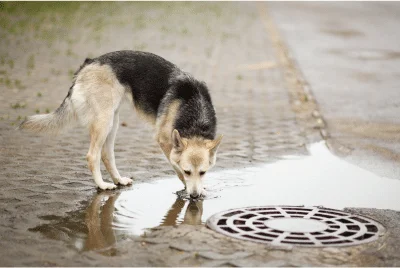
I came upon a dog walker in McLaren Park while he was on his cell phone discussing an issue with one of his clients. As he was preoccupied and had his back to his pack of dogs, he didn't notice that one of the dogs was drinking from a muddy puddle of water. As a fellow SF dog walker, I thought I would help him out by shooing the dog away from it.
When he got off the phone, he said that I need not bother doing this in the future; that he lets his dogs drink from puddles and has been doing so for over 10 years and "nothing has happened yet." He then reminded me of the time that I informed him that one of his dogs was eating a dead seal on the beach. He informed me that the dog had been eating dead sea lions on the beach for years and "nothing had happened yet."
This encounter left me deeply concerned—not just for those dogs, but for the families who trust this walker with their pets. The "nothing has happened yet" attitude is dangerous, and it reflects a fundamental misunderstanding of the very real risks lurking in San Francisco's parks and beaches.
After 19 years of walking dogs in San Francisco, I've learned that vigilance isn't paranoia—it's responsible pet care. Let me explain why dirty puddles and dead seals are two of the most serious hazards your dog can encounter in our city.
The Danger of Dirty Puddles: Giardia and More
That innocent-looking puddle in the park? It's potentially a disease reservoir. Puddles in San Francisco parks are often drinking water sources for raccoons, rats, squirrels, and other wildlife. Each of these animals can contaminate the water with parasites and bacteria that can sicken your dog—and potentially you.
What Is Giardia?
Giardia is a microscopic parasite that lives in the intestines of infected animals and is shed in their feces. When water becomes contaminated with Giardia cysts (the dormant form of the parasite), and your dog drinks from that puddle, the parasite can take hold in their digestive system.
Giardia causes giardiasis, an intestinal infection with these symptoms:
- Severe, watery diarrhea (often greasy or foul-smelling)
- Weight loss
- Dehydration
- Vomiting
- Loss of appetite
- Lethargy and weakness
The diarrhea can be persistent and difficult to treat, sometimes requiring multiple rounds of medication. Young puppies, senior dogs, and dogs with compromised immune systems are especially vulnerable.
But Wait—There's More Than Giardia
Giardia isn't the only threat in contaminated puddles. Standing water in parks can also contain:
- Leptospirosis bacteria (see detailed section below)
- E. coli from fecal contamination
- Salmonella from bird droppings
- Campylobacter causing gastrointestinal illness
- Cryptosporidium another intestinal parasite
- Toxic algae blooms in warm weather
- Chemical runoff from pesticides, fertilizers, or street pollution
The "Nothing Has Happened Yet" Fallacy
Just because a dog has drunk from puddles for years without obvious illness doesn't mean it's safe. Here's why:
- Exposure is cumulative: Each puddle carries risk. The 100th exposure might be the one that makes your dog sick
- Subclinical infections happen: Dogs can have low-level Giardia infections that cause chronic digestive issues without severe symptoms
- Contamination varies: One puddle might be relatively safe; the next might have been used by an infected raccoon that morning
- Seasonal variation matters: Risk is higher in certain times of year when wildlife is more active or water sits longer
- Individual susceptibility differs: Some dogs have stronger immune systems than others
Saying "nothing has happened yet" is like saying "I never wear a seatbelt and I haven't died in a car crash yet." The absence of disaster doesn't validate the risk.
The Deadly Danger of Dead Seals: Leptospirosis
If dirty puddles are concerning, dead seals and sea lions on San Francisco beaches are downright terrifying. They're a major source of Leptospirosis, one of the most serious diseases a dog can contract.
What Is Leptospirosis?
Leptospirosis (commonly called "lepto") is a bacterial infection that can cause kidney failure, liver damage, and death in dogs. It's transmitted through the urine of infected animals—and marine mammals like seals and sea lions are common carriers.
When a dead seal washes up on Ocean Beach, Fort Funston, or Baker Beach, it's not just an unpleasant sight—it's a biohazard. The bacteria can survive for weeks in the carcass and surrounding sand or water.
How Dogs Get Infected
Your dog doesn't even need to eat the dead seal to get infected. Leptospirosis enters the body through:
- Mucous membranes: Eyes, nose, mouth
- Broken skin: Cuts, scrapes, or even abraded paw pads
- Ingestion: Eating contaminated tissue or licking contaminated fur
- Direct contact: Rolling on, sniffing closely, or chewing on the carcass
The bacteria are present in the animal's urine and bodily fluids, so any contact with the carcass is potentially dangerous.
Symptoms of Leptospirosis
Leptospirosis symptoms can appear within 2-14 days of exposure and include:
- Fever (often high, 103-104°F or higher)
- Lethargy and weakness
- Loss of appetite
- Vomiting and diarrhea
- Muscle pain and stiffness (reluctance to move)
- Increased thirst and urination (kidney damage)
- Jaundice (yellowing of gums, eyes, skin—indicates liver damage)
- Bleeding disorders (nose bleeds, blood in urine or stool)
- Difficulty breathing (in severe cases)
The Leptospirosis Vaccine: Essential but Not Perfect
There is a vaccine for Leptospirosis, and it's absolutely essential for San Francisco dogs. However, dog owners need to understand its limitations:
- The vaccine covers only the four most common strains of Leptospirosis
- There are many other strains out there, including some carried by marine mammals
- The vaccine reduces the severity of infection but doesn't guarantee complete protection
- Vaccinated dogs can still get lepto, though they typically have milder cases
Get your dog vaccinated—but don't rely on the vaccine as your only defense. Prevention through avoidance is still the best strategy.
San Francisco-Specific Risks
Living in San Francisco presents unique challenges:
Our Beaches Are Lepto Hot Spots
Dead seals and sea lions regularly wash up on our beaches, particularly at:
- Ocean Beach
- Fort Funston
- Baker Beach
- Crissy Field
Some of these beaches are among the most popular dog-walking destinations in the city, which creates frequent exposure opportunities.
Our Parks Have Active Wildlife
San Francisco's parks—McLaren Park, Golden Gate Park, Stern Grove, Glen Canyon—all have healthy populations of raccoons, rats, and other wildlife that can contaminate water sources with Giardia and Leptospirosis.
Our Mild Climate Keeps Bacteria Active
Unlike cities with harsh winters where freezing temperatures kill off many pathogens, San Francisco's year-round mild climate means bacteria and parasites remain active and viable longer.
Protection Strategies
Here's how to protect your dog (and yourself):
For Puddles and Standing Water
- Never let your dog drink from puddles, ponds, or stagnant water in parks
- Always bring fresh water on walks—carry a collapsible bowl
- Watch your dog constantly—don't let them investigate water sources while you're on your phone
- Train a strong "leave it" command for water sources
- Avoid walking through muddy areas where contaminated water could splash on your dog
- Rinse your dog's paws after walks in potentially contaminated areas
For Dead Marine Animals
- Keep your dog on leash at the beach—this is critical for control
- Scan ahead constantly for dead animals and steer clear
- If you see a dead seal, report it to the Marine Mammal Center: (415) 289-7325
- Never let your dog approach, sniff, or investigate dead marine animals
- If contact occurs, call your vet immediately—don't wait for symptoms
- Wash your hands thoroughly if you come into contact with a dead animal
Vaccination and Preventive Care
- Vaccinate for Leptospirosis—this is non-negotiable for SF dogs
- Keep vaccines current—boosters are typically needed annually
- Discuss your dog's exposure risks with your vet
- Consider additional testing if you frequent high-risk areas
What to Do If Exposure Occurs
If Your Dog Drinks from a Contaminated Puddle
- Don't panic, but do monitor closely
- Watch for symptoms over the next week: diarrhea, vomiting, lethargy, loss of appetite
- If symptoms develop, collect a fresh stool sample and contact your vet
- Your vet can test for Giardia and other parasites
- Follow treatment protocols carefully—Giardia can be stubborn
If Your Dog Contacts a Dead Seal
- Pull them away immediately
- Note the time, location, and extent of contact
- Call your vet right away—don't wait for symptoms to appear
- Your vet may recommend:
- Prophylactic antibiotics (preventive treatment)
- Blood work to establish baseline kidney and liver function
- Close monitoring for 2-3 weeks
- Bathe your dog to remove any contamination (wear gloves)
- Wash your hands thoroughly
- Watch for symptoms over the next 2 weeks
The Human Health Risk
This isn't just about your dog. Both Giardia and Leptospirosis are zoonotic diseases—they can be transmitted from animals to humans.
- Giardia: You can contract it from handling your infected dog or through fecal-oral transmission. Children are especially vulnerable.
- Leptospirosis: You can contract it the same ways your dog does—through contact with contaminated water, soil, or animal tissue. It can cause severe illness in humans, including kidney failure and liver damage.
When you allow your dog to drink from puddles or investigate dead animals, you're not just risking your dog's health—you're potentially bringing dangerous pathogens into your home and exposing your family.
A Professional's Responsibility
The dog walker I encountered that day at McLaren Park is failing his clients in a fundamental way. Professional dog walkers have a responsibility to:
- Know the risks in the areas they work
- Actively protect the dogs in their care
- Maintain constant supervision and control
- Educate clients about health hazards
- Never adopt a "nothing has happened yet" mentality
If your dog walker doesn't take these dangers seriously, find a new walker.
The Bottom Line
Dirty puddles and dead seals aren't just unpleasant—they're genuine health hazards. Giardia can cause weeks of miserable illness. Leptospirosis can kill your dog and sicken your family.
The "nothing has happened yet" attitude is gambling with your dog's life. Every exposure is a roll of the dice. Eventually, luck runs out.
After 19 years of walking dogs in San Francisco, I've seen too many preventable illnesses and too many heartbroken owners asking "How did this happen?" The answer is usually simple: they didn't know the risk, or they didn't take it seriously.
Now you know. Bring fresh water on walks. Keep your dog on leash at the beach. Steer clear of puddles and dead animals. Get the lepto vaccine. And if you hire a dog walker, make sure they understand these dangers and take them seriously.
Your dog's life might depend on it.