Anxious Dog? Natural and Medical Solutions
Posted by The San Francisco Dog Walker
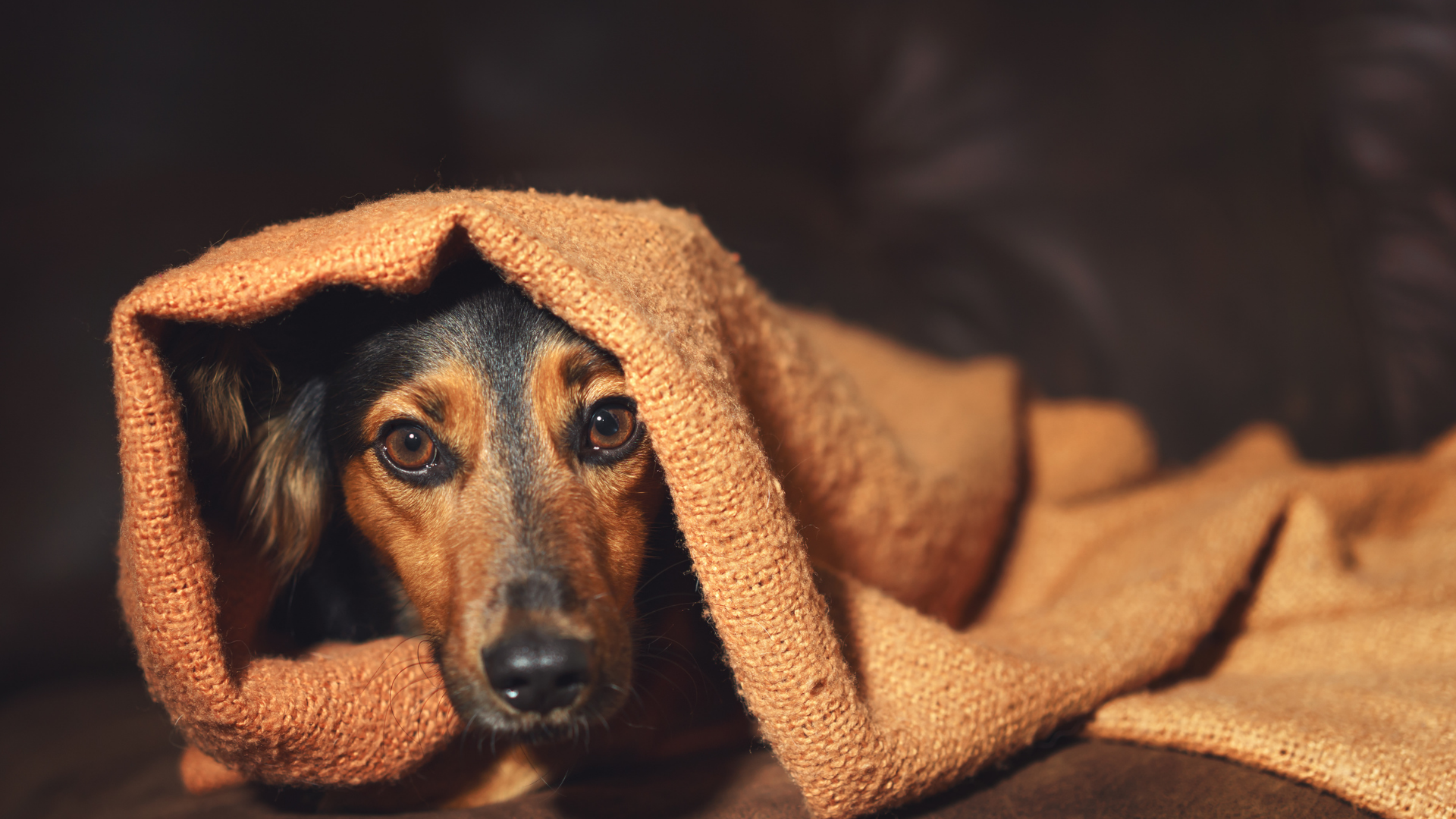
Dog anxiety is more common than most people realize. Whether triggered by thunderstorms, fireworks, separation from owners, or unexplained fears that emerge at night, anxiety can significantly impact your dog's quality of life—and yours. The good news is that various treatments can help, from natural supplements like melatonin to behavioral modification techniques.
Understanding what causes your dog's anxiety and exploring the full range of treatment options empowers you to find the best solution for your individual dog. Let's explore everything from over-the-counter remedies to prescription medications and behavioral strategies.
Understanding Dog Anxiety
Anxiety in dogs manifests in many forms and can stem from various triggers:
Types of Anxiety
- Separation anxiety: Distress when left alone or separated from specific people
- Noise phobia: Fear of thunderstorms, fireworks, construction, sirens
- Situational anxiety: Fear of car rides, vet visits, grooming, strangers
- Social anxiety: Fear of other dogs or people
- Generalized anxiety: Chronic anxious behavior without specific triggers
- Nighttime anxiety: Restlessness, pacing, or agitation at night
Signs of Anxiety
Anxious dogs may display:
- Panting and drooling
- Pacing or inability to settle
- Trembling or shaking
- Whining, barking, or howling
- Destructive behavior (chewing, digging, scratching)
- House soiling despite being housetrained
- Escape attempts
- Hiding or seeking excessive reassurance
- Decreased appetite
- Aggression triggered by fear
Natural Treatments: Melatonin
Melatonin has emerged as a popular natural option for calming anxious dogs. Originally explored as an alternative to Benadryl, melatonin often works better for certain types of anxiety with fewer side effects.
What Is Melatonin?
Melatonin is a neurohormone naturally produced by the pineal gland in both humans and dogs. It regulates sleep-wake cycles and has mild sedative properties. When given as a supplement, melatonin can help calm anxious dogs and promote rest.
How Melatonin Works for Dogs
Melatonin provides calming effects through several mechanisms:
- Promotes relaxation without heavy sedation
- Reduces response to stressful stimuli
- Helps regulate sleep cycles
- May reduce hyperactivity
- Takes edge off fear responses
When to Use Melatonin
Melatonin works well for:
- Noise phobias: Thunderstorms, fireworks, construction noise
- Separation anxiety: When owners leave for work
- Nighttime restlessness: Dogs who pace or become agitated at night
- Travel anxiety: Car rides, plane trips
- Vet visits or grooming: Situational anxiety
- General stress: Moving, household changes
Melatonin Dosage for Dogs
General dosing guidelines (always consult your vet first):
- Dogs under 10 pounds: 1 mg
- Dogs 10-25 pounds: 1.5 mg
- Dogs 26-100 pounds: 3 mg
- Dogs over 100 pounds: 3-6 mg
Give melatonin 30-60 minutes before the anticipated stressful event. For ongoing anxiety (like separation anxiety), it can be given daily.
Choosing Melatonin Products
Melatonin for dogs uses human formulations—there's no specific veterinary product. When buying melatonin:
- Choose plain melatonin only: No additional ingredients
- Avoid xylitol: This artificial sweetener is highly toxic to dogs. Check labels carefully, especially on chewable or flavored versions
- Skip extended-release formulas: Use immediate-release for dogs
- Common brand: Melatonex® or generic melatonin
Side Effects and Safety
Melatonin is generally very safe with minimal side effects:
- Occasional drowsiness (usually desired)
- Rare digestive upset
- Very rare allergic reactions
Melatonin can be used long-term if needed and doesn't cause dependence or tolerance issues.
Benadryl as an Anti-Anxiety Option
Before melatonin gained popularity, many dog owners used Benadryl (diphenhydramine) to calm anxious dogs. It still has a role, though melatonin has become preferred for many situations.
How Benadryl Works
Benadryl is an antihistamine that causes drowsiness as a side effect. This sedating property can help calm anxious dogs, though it's not specifically an anti-anxiety medication.
When Benadryl Works Well
- Mild anxiety or nervousness
- Situational stress (car rides, vet visits)
- Allergic reactions with anxiety component (bee stings, environmental allergies)
- Motion sickness combined with anxiety
Benadryl Dosage for Dogs
Standard dosing (always verify with your vet):
- 1 mg per pound of body weight
- Given every 8-12 hours as needed
- Example: A 50-pound dog would get 50 mg (two 25 mg tablets)
Important Benadryl Safety Notes
- Use plain diphenhydramine only: No decongestants, pain relievers, or other additives
- Avoid Benadryl-D or Benadryl Plus: These contain pseudoephedrine or acetaminophen which are dangerous for dogs
- Check with your vet: Especially if your dog takes other medications
Benadryl vs. Melatonin
Many veterinarians and dog owners now prefer melatonin because it:
- Provides calming without heavy sedation
- Has fewer side effects
- Works better for some types of anxiety
- Can be used more easily long-term
- Doesn't cause the "hangover" effect some dogs get from Benadryl
However, Benadryl remains useful for dogs who need stronger sedation or when treating concurrent allergies.
Other Natural Calming Options
Beyond melatonin and Benadryl, several other natural products may help anxious dogs:
CBD Oil
Cannabidiol (CBD) derived from hemp has gained popularity for dog anxiety. Some dogs respond well, though quality and dosing standards vary widely. Consult your vet before using CBD products.
L-Theanine
An amino acid found in green tea that promotes relaxation without sedation. Available in supplements formulated for dogs.
Adaptil (Dog Appeasing Pheromone)
Synthetic version of the calming pheromone mother dogs produce. Available as diffusers, collars, and sprays. Particularly effective for separation anxiety and general stress.
Calming Supplements
Various commercial products combine multiple ingredients:
- Composure (Zylkene + theanine + thiamine)
- Solliquin (alpha-casozepine + L-theanine + magnolia/phellodendron)
- VetriScience Composure
Prescription Anti-Anxiety Medications
For severe anxiety or cases where natural options don't provide sufficient relief, prescription medications may be necessary:
Situational/Short-Term Medications
- Trazodone: Serotonin modulator, good for short-term anxiety (storms, vet visits)
- Gabapentin: Nerve pain medication that also reduces anxiety
- Alprazolam (Xanax): Fast-acting benzodiazepine for acute anxiety
- Diazepam (Valium): Another benzodiazepine option
Long-Term Daily Medications
- Fluoxetine (Prozac): SSRI for chronic anxiety, separation anxiety
- Sertraline (Zoloft): Another SSRI option
- Clomipramine (Clomicalm): Tricyclic antidepressant, FDA-approved for separation anxiety
These medications require veterinary prescription, monitoring, and often take 4-6 weeks to reach full effectiveness.
Behavioral Modification Techniques
Medication and supplements work best when combined with behavioral strategies:
Desensitization and Counter-Conditioning
Gradually exposing your dog to anxiety triggers at low intensity while creating positive associations. This is the gold standard for treating phobias and anxiety.
Creating Safe Spaces
- Crate training with positive associations
- Quiet rooms with white noise
- Thunder shirts or anxiety wraps (provide comforting pressure)
- Familiar scents and bedding
Environmental Management
- Maintain consistent routines
- Provide adequate exercise (tired dogs are calmer dogs)
- Mental stimulation through puzzle toys and training
- Calming music or white noise
- Reduce exposure to triggers when possible
Training and Enrichment
- Basic obedience builds confidence
- Teach "settle" or "place" commands
- Reward calm behavior
- Avoid reinforcing anxious behavior (don't comfort excessively during panic)
Working with a Veterinarian or Behaviorist
Severe anxiety often requires professional help. Consider consulting:
- Your veterinarian: Rule out medical causes, prescribe medication
- Veterinary behaviorist: Board-certified specialist in behavior (DACVB)
- Certified dog trainer or behavior consultant: For training-based interventions
San Francisco-Specific Anxiety Triggers
Living in San Francisco presents unique anxiety challenges for dogs:
- Sirens and city noise: Constant urban sounds can heighten anxiety
- Crowds and street activity: Overwhelming for nervous dogs
- Fog horns: Loud, unpredictable blasts
- Limited outdoor space: Apartment living without yards
- Frequent alone time: Owners working long hours
After 19 years of walking dogs in San Francisco, I've worked with countless anxious dogs. The combination of urban stressors, small living spaces, and long work hours creates a perfect storm for canine anxiety. The dogs who do best are those whose owners recognize the problem early and commit to a comprehensive treatment plan.
Choosing the Right Approach
The best anxiety treatment depends on:
- Type of anxiety: Situational vs. chronic
- Severity: Mild nervousness vs. panic
- Your dog's health: Some medications interact with existing conditions
- Lifestyle factors: Can you implement behavioral changes?
- Budget: Natural supplements vs. prescription medications vs. behavior consultation
A Typical Stepped Approach
- Start with environmental management and behavior modification
- Add natural supplements like melatonin or calming products
- If insufficient, try situational prescription medications
- For chronic anxiety, consider daily medications
- Work with behaviorist for comprehensive treatment plan
The Bottom Line
Dog anxiety is treatable. Whether through natural supplements like melatonin, medications like Benadryl, prescription anti-anxiety drugs, or behavioral modification techniques—or most often, a combination of approaches—anxious dogs can find relief.
Melatonin has become a popular first-line treatment for many types of anxiety, offering effective calming with minimal side effects. Benadryl remains useful for certain situations. And for severe cases, prescription medications provide powerful relief when nothing else works.
The key is recognizing that anxiety significantly impacts your dog's quality of life and taking action. Start with the simplest interventions and work up to more intensive treatments as needed. Consult your veterinarian to develop a comprehensive plan tailored to your individual dog.
Your anxious dog doesn't have to suffer in silence. With patience, the right treatment approach, and professional guidance when needed, most anxious dogs can learn to feel safer, calmer, and happier.
And that benefits everyone in the household.