Alternative to Surgery for Joint Injuries
Posted by The San Francisco Dog Walker
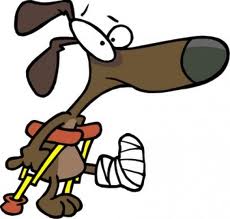
If your dog has been diagnosed with a torn ACL, hip dysplasia, arthritis, or other joint injury, you've probably been told that surgery is the only option. But what if there was another way? What if your dog could heal without going under the knife, without weeks of recovery and rehabilitation, and at a fraction of the cost?
Enter prolotherapy—a regenerative injection therapy that's gaining recognition as a legitimate alternative to surgery for many joint injuries in dogs. While it's not appropriate for every case, prolotherapy has helped countless dogs avoid surgery and return to active, pain-free lives.
Here's everything you need to know about this innovative treatment option.
What Is Prolotherapy?
Prolotherapy, short for "proliferative therapy," is a regenerative injection treatment that stimulates the body's natural healing response. The technique involves injecting a solution (typically containing dextrose, a natural sugar) directly into weakened or injured ligaments, tendons, and joints.
The injected solution creates a controlled, mild inflammation at the injection site. This triggers the body's healing mechanisms, promoting the growth of new, stronger tissue. Over a series of treatments, the damaged joint structures are strengthened and stabilized, reducing pain and improving function.
How Does It Work?
Think of prolotherapy as "jumpstarting" your dog's natural healing process. When ligaments or tendons are injured, especially in chronic conditions, the body's healing response often stalls out, leaving the tissue weak and painful. The prolotherapy solution irritates the tissue just enough to restart that healing cascade.
The body responds by:
- Increasing blood flow to the area
- Depositing new collagen (the building block of connective tissue)
- Strengthening and thickening the damaged ligaments and tendons
- Stabilizing the joint
- Reducing inflammation over time
Unlike cortisone injections, which simply mask pain and can actually weaken tissue over time, prolotherapy actively strengthens the damaged structures.
What Conditions Can Prolotherapy Treat?
Prolotherapy has shown effectiveness for a variety of joint and soft tissue injuries in dogs:
ACL (Cruciate Ligament) Tears
This is one of the most common and expensive injuries in dogs. Traditional treatment involves surgery costing $3,000-$5,000 or more, followed by months of restricted activity. Prolotherapy offers a non-surgical option that can stabilize the knee joint by strengthening the surrounding ligaments and tissues. Many dogs with partial ACL tears—and even some with complete tears—have successfully avoided surgery through prolotherapy.
Hip Dysplasia
Hip dysplasia causes chronic pain and arthritis as the hip joint deteriorates due to poor formation. While severe cases may still require surgery, prolotherapy can strengthen the joint capsule and surrounding soft tissues, improving stability and reducing pain. For mild to moderate cases, or for dogs who aren't good surgical candidates due to age or health issues, prolotherapy can significantly improve quality of life.
Arthritis and Degenerative Joint Disease
Arthritis is progressive and incurable, but prolotherapy can slow its progression and reduce pain by stabilizing joints and reducing inflammation. Many older dogs have been able to reduce or eliminate their pain medications after a series of prolotherapy treatments.
Other Conditions
- Luxating patella: When the kneecap slips out of place
- Elbow dysplasia: Malformation of the elbow joint
- Shoulder instability: Loose or damaged shoulder ligaments
- Spine and back problems: Including some cases of intervertebral disc disease
- Chronic sprains and strains: Recurring soft tissue injuries
Prolotherapy vs. Surgery: The Comparison
Advantages of Prolotherapy
- Non-surgical: No anesthesia risks, no surgical complications, no post-operative infections
- Less expensive: A series of prolotherapy treatments typically costs $500-$1,500 total, compared to $3,000-$6,000+ for surgery
- Faster recovery: Dogs are often back to normal activity within days rather than months
- Less painful: No surgical incision, no cutting through muscle and tissue
- Treats the cause: Strengthens the actual damaged structures rather than just removing or replacing them
- Can treat multiple joints: In one session, if needed
- Fewer restrictions: Dogs don't need to be confined to crates for weeks
- Lower risk: Especially important for older dogs or those with health issues that make surgery risky
When Surgery May Still Be Necessary
Prolotherapy isn't a magic cure-all, and it's not appropriate for every case. Surgery may still be the better option when:
- The injury is severe or complete (such as a fully ruptured ACL in a large, active dog)
- There's significant joint instability that requires immediate stabilization
- Conservative treatment has failed
- There's bone deformity that requires surgical correction
- The condition is rapidly worsening
A good veterinarian will be honest about whether prolotherapy is likely to be effective for your dog's specific situation.
What to Expect: The Prolotherapy Process
The Initial Consultation
Your vet will perform a thorough examination and likely recommend imaging (X-rays, ultrasound, or MRI) to assess the extent of the injury. Not all vets offer prolotherapy, so you may need to seek out a veterinarian specifically trained in regenerative medicine.
The Treatment
The actual injection procedure is relatively quick—usually 15-30 minutes. Your dog may receive light sedation to keep them comfortable and still, though many dogs tolerate the injections well with just local numbing.
The vet will inject the prolotherapy solution directly into multiple points around the damaged ligament, tendon, or joint. The number of injection sites depends on the injury.
Number of Treatments
Prolotherapy is not a one-and-done treatment. Most dogs need a series of 3-6 treatments spaced 3-4 weeks apart. This allows time for new tissue to grow between sessions. Some chronic conditions may require maintenance treatments every few months.
Recovery After Each Treatment
Unlike surgery, recovery is minimal. Your dog may be sore for 24-48 hours after treatment (similar to muscle soreness after a workout). Activity should be limited for a few days after each injection, but there's no need for strict crate rest. Most dogs are back to normal activity within a week.
Results Timeline
Don't expect immediate results. It takes time for new tissue to grow. Most dogs start showing improvement after 2-3 treatments. Full results are typically seen 4-6 months after completing the treatment series.
Success Rates and Research
While more research is still needed, existing studies and clinical experience show promising results:
- Studies show 80-90% of dogs with partial ACL tears improve significantly with prolotherapy
- Many dogs with hip dysplasia show reduced pain and improved mobility
- Arthritic dogs often experience reduced pain and improved quality of life
- Success rates are highest when treatment begins early, before significant joint degeneration occurs
The key is appropriate case selection. Dogs with mild to moderate injuries, partial tears, and early-stage arthritis tend to respond best. Severe injuries may still require surgery, but even in those cases, prolotherapy can sometimes be used as an adjunct therapy to support healing.
Cost Considerations
While costs vary by location and veterinarian, prolotherapy is significantly less expensive than surgery:
- Per treatment: $150-$400
- Complete treatment series (3-6 treatments): $500-$1,500
- Compare to surgery: ACL surgery typically costs $3,000-$6,000; hip surgery can run $5,000-$8,000
Even if prolotherapy doesn't completely eliminate the need for surgery, it may delay it for months or years, buying time for a young dog to mature or an older dog to avoid the risks of anesthesia.
Finding a Qualified Veterinarian
Not all veterinarians offer prolotherapy. You'll need to find a vet specifically trained in regenerative medicine. Look for:
- Board certification in veterinary sports medicine and rehabilitation
- Specific training in prolotherapy techniques
- Experience treating your dog's specific condition
- Membership in organizations like the American Association of Rehabilitation Veterinarians (AARV)
In the San Francisco Bay Area, several veterinary practices offer prolotherapy and regenerative medicine services. Ask your regular vet for referrals, or search online for "veterinary prolotherapy" or "regenerative veterinary medicine" in your area.
Potential Risks and Side Effects
Prolotherapy is considered very safe, but like any medical procedure, it does carry some minimal risks:
- Temporary pain and stiffness: Common for 24-48 hours after treatment
- Bruising or swelling: At injection sites
- Infection: Very rare, but possible with any injection
- Allergic reaction: Extremely rare
The risks are far lower than those associated with surgery (anesthesia complications, infection, implant failure, etc.).
Is Prolotherapy Right for Your Dog?
Prolotherapy may be worth considering if:
- Your dog has been diagnosed with a ligament injury, hip dysplasia, or arthritis
- You want to avoid surgery if possible
- Your dog is not a good surgical candidate due to age or health issues
- You want a less invasive, more affordable option
- Your dog has a partial tear or mild to moderate injury
- You're willing to commit to multiple treatments over several months
The best approach is to consult with both your regular veterinarian and a vet trained in prolotherapy. Get imaging done to assess the extent of the injury. Discuss all options—including surgery, prolotherapy, physical therapy, and conservative management—and make an informed decision based on your dog's specific situation.
Beyond Prolotherapy: Complementary Treatments
Prolotherapy works best as part of a comprehensive treatment plan that may include:
- Physical therapy and rehabilitation: To maintain muscle strength and joint mobility
- Weight management: Crucial for reducing stress on joints
- Joint supplements: Glucosamine, chondroitin, omega-3 fatty acids
- Acupuncture: Can help manage pain
- Controlled exercise: Swimming is excellent for building muscle without stressing joints
- Anti-inflammatory medications: As needed, especially during the treatment phase
The Bottom Line
Prolotherapy represents an exciting alternative to surgery for many joint injuries in dogs. It's not a miracle cure, and it won't work for every case, but for the right patient with the right injury, it can be remarkably effective.
The treatment offers a less invasive, more affordable, and lower-risk option than surgery, with success rates that make it worth serious consideration. If your dog has been diagnosed with a joint injury and you're facing the prospect of expensive surgery, it's worth consulting with a veterinarian trained in prolotherapy to see if your dog might be a candidate.
After 19 years of walking dogs in San Francisco, I've seen many dogs struggle with joint injuries and arthritis. I've also seen dogs who were told they needed surgery go on to live active, pain-free lives after prolotherapy. It's not the right choice for every dog, but for many, it's been life-changing.
Don't let anyone tell you surgery is your only option until you've explored all the alternatives. Your dog—and your wallet—may thank you for doing the research.
Learn More
For more detailed information about prolotherapy for pets, visit www.getprolo.com. Always consult with a qualified veterinarian before making treatment decisions for your dog.